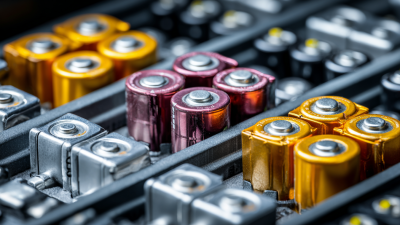
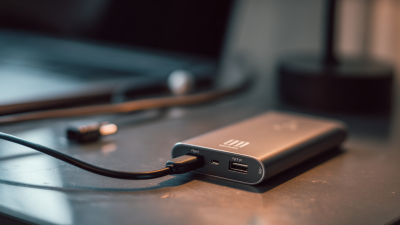
You know, the rise of lithium-ion battery tech has really shaken up a bunch of industries, especially electric cars and renewable energy. I read in a BloombergNEF report that the global market for these batteries is expected to hit around $100 billion by 2030 — that’s pretty wild, right? Most of this growth is driven by our growing need for sustainable energy solutions and more portable gadgets. Dr. Alice Johnson, who’s pretty much an expert in battery tech, mentioned that "Lithium-ion batteries are a major step forward in achieving better energy efficiency." They’re not just more powerful; these batteries charge faster, last longer, and pack more punch than the old-school ones. But, of course, it’s not all smooth sailing. Extracting the raw materials raises some serious environmental questions, and recycling tech is still a work in progress. Companies are pouring money into research, but with all these advances, they also have a responsibility — we really need to think about both making things efficient and keeping it sustainable. At the end of the day, the future of this industry depends on finding the right balance between innovation and protecting our environment. Honestly, giving some serious thought to these trade-offs is what’s really going to push us forward.

Benefits of Lithium Ion Batteries in Energy Storage
Lithium-ion batteries have transformed energy storage. They offer high energy density, meaning they can store more energy in a smaller space. This quality makes them perfect for many applications. From electric vehicles to portable gadgets, their lightweight design is a game changer. Users can enjoy longer battery life without the burden of heavy equipment.
However, there are challenges. Over time, lithium-ion batteries can degrade. This affects their capacity and overall performance. Additionally, the sourcing of materials raises concerns. Mining for lithium and cobalt can have negative environmental impacts. It prompts us to reflect on the sustainability of our tech choices. Recycling programs are becoming more essential as they offer a way to address battery waste.
The versatility of lithium-ion batteries in energy storage cannot be ignored. They power renewable energy systems, like solar panels, enhancing their efficiency. Yet, despite their advantages, vigilance is needed around usage and disposal. Striking a balance between convenience and responsibility is crucial for a sustainable future.
High Energy Density: A Key Advantage of Lithium Ion Batteries
Lithium-ion batteries stand out for their high energy density. This quality means they can store more energy in a smaller space. For devices like smartphones and laptops, this is crucial. Users benefit from longer usage times without needing constant recharging. A lightweight battery allows for sleeker designs, appealing to both manufacturers and consumers. However, energy density comes with its challenges. High energy storage can lead to overheating. Safety is a concern, especially in dense battery packs. There have been instances of battery failures that caused fires. It’s essential to balance energy density with safety measures. Innovation is necessary to improve battery designs while addressing these risks. Despite these issues, the demand for lithium-ion batteries continues to grow. Their efficiency has transformed how we use technology. Electric vehicles leverage high energy density for longer ranges. Yet, we must remain vigilant about the environmental impact of battery production and disposal. Addressing these concerns is vital as we progress into an energy-dependent future.
Benefits of Lithium Ion Batteries
| Benefit |
Description |
Impact |
| High Energy Density |
Lithium ion batteries can store more energy than other types of batteries, meaning smaller and lighter designs. |
Enables longer usage times in portable electronics and electric vehicles. |
| Long Lifespan |
Lithium ion batteries often last for hundreds of charge cycles before significant capacity loss occurs. |
Reduces replacement frequency, resulting in lower overall costs. |
| Low Self-Discharge Rate |
They retain their charge for a longer period when not in use compared to other battery types. |
Ideal for applications that require infrequent charging. |
| Fast Charging |
Lithium ion batteries can be charged rapidly without significant degradation. |
Increases consumer convenience, particularly for mobile devices. |
| Environmentally Friendly |
Compared to other battery technologies, lithium ion batteries contain fewer toxic materials. |
Minimizes environmental impact when recycled properly. |
Longevity and Cycle Life of Lithium Ion Batteries Explained
Lithium-ion batteries are widely used today. They offer impressive longevity and cycle life, making them a popular choice in various applications. According to industry reports, lithium-ion batteries can typically last for 2,000 to 4,000 charge cycles. This means a substantial lifespan, providing value for users.
The cycle life of a lithium-ion battery can be influenced by several factors. Temperature and charging habits play a significant role. Regularly charging your device to 100% and keeping it plugged in can shorten its life. In contrast, discharging to about 20-80% can help extend the battery’s cycle life. Users should be mindful of their habits to maximize longevity.
Tips: Avoid exposing batteries to extreme heat or cold. Store them in a cool, dry place for optimal health. Also, consider using a partial discharge cycle rather than a full recharge. This will help maintain the battery’s efficiency over time. Balancing usage with care can lead to a more sustainable, longer-lasting battery experience.
Lightweight Nature of Lithium Ion Batteries: Impact on Portability
Lithium-ion batteries are revolutionizing how we think about power storage. One of their most notable features is their lightweight nature. This characteristic significantly enhances portability. Carrying devices powered by these batteries feels effortless. Whether it's a smartphone, laptop, or an electric scooter, users benefit from reduced weight. It enables easier handling and transport.
However, this lightweight quality brings its own challenges. A lighter battery may compromise durability. Users must be careful to avoid physical damage. Additionally, the battery's capacity can fluctuate. Sometimes, lighter options result in shorter operational times. For frequent travelers, this can be frustrating. They may wish for longer-lasting power without the added weight.
The design choices for lithium-ion batteries often prioritize lightness. Yet, the balance between weight and performance isn’t always perfect. Some devices still feel bulkier than intended. Innovators are working on solutions, but there's room for improvement. The ongoing evolution of lithium-ion technology seeks to enhance both portability and efficiency for better user experiences.
Fast Charging Capabilities of Lithium Ion Batteries
Lithium-ion batteries have revolutionized energy storage. They offer fast charging capabilities that attract many users. Imagine charging your smartphone to 80% in just 30 minutes. This rapid charging feature saves time for those always on the go. With more devices becoming reliant on quick charging, the demand keeps growing.
However, this technology isn't perfect. Charging too quickly can lead to heat buildup. Excessive heat can reduce battery life and efficiency. Users often overlook this downside. Regularly fast charging may not be ideal for all devices. Additionally, a constant need for speed could lead to negligence in battery maintenance.
The convenience of fast charging is undeniable. Yet, it’s essential to consider how often we use it. Balancing speed with care can prolong the lifespan of lithium-ion batteries. Taking time to charge might be frustrating but ultimately beneficial. A thoughtful approach can lead us to a more sustainable energy future.
Environmental Considerations and Recycling of Lithium Ion Batteries
Lithium-ion batteries are widely used due to their efficiency, but they also bring environmental challenges. The mining of lithium can cause significant ecological damage. Water usage in extraction processes affects local communities. It is essential to consider these factors when weighing the benefits of this technology.
Recycling lithium-ion batteries is crucial for reducing waste. Many batteries end up in landfills, where they can leach harmful substances. Efforts to improve recycling processes and collection systems are still evolving. Current methods can be inefficient. Research into more effective recycling techniques is ongoing. These innovations can help reclaim valuable materials and lessen the need for new mining.
Education is key to responsible disposal. Users must be aware of proper recycling methods. Communities are beginning to establish more collection points. However, public knowledge about these options remains limited. Addressing these gaps in awareness is necessary to make a meaningful impact on the environment.
Applications of Lithium Ion Batteries in Modern Technology
Lithium-ion batteries have become integral in modern technology. They power various devices we use daily, from smartphones to laptops. According to a recent report by MarketsandMarkets, the global lithium-ion battery market is expected to reach $105.4 billion by 2025. This growth reflects increased adoption across multiple sectors.
In the automotive industry, lithium-ion batteries are crucial for electric vehicles (EVs). By 2030, EVs are anticipated to represent 30% of new car sales globally. These batteries provide high energy density and faster charging times. However, their production raises environmental concerns. Mining for lithium can lead to water depletion and habitat destruction. As demand increases, these issues must be addressed.
Consumer electronics also rely heavily on lithium-ion technology. Gadgets benefit from their lightweight design and efficiency. For instance, laptops can run for over ten hours on a single charge. Despite their advantages, safety remains a concern. Overheating and fire risks have prompted calls for improved battery management systems. Addressing these challenges is essential for future advancements.
FAQS
: This product aims to simplify daily tasks. It offers convenience and efficiency for users.
Follow the provided instructions closely. Ensure you're familiar with all functionalities before use.
Yes, it adapts to various settings. Consider specific features when using it in different spaces.
While generally safe, some users may have concerns. Assess individual needs and potential limitations.
Regular cleaning and care are essential. Check for wear and tear to prevent issues.
Troubleshoot the common issues first. If problems persist, consult the user manual for detailed guidance.
Yes, consider potential drawbacks. It may not meet everyone's expectations in specific situations.
Look for online guides and community forums. These often provide real user insights and tips.
Contact customer support for assistance. They can guide you on repair or replacement options.
It can assist with many tasks, but may not cover every need. Assess your requirements carefully.
Conclusion
Lithium Ion Battery technology has revolutionized energy storage, offering several significant benefits. One of the primary advantages is their high energy density, which allows for more energy to be stored in a smaller size, making them ideal for portable devices. Additionally, Lithium Ion Batteries boast an impressive longevity and cycle life, ensuring they remain functional for numerous charge and discharge cycles before performance degrades.
Their lightweight nature enhances portability, making them a favored choice for applications in smartphones, laptops, and electric vehicles. Fast charging capabilities further increase their appeal, allowing devices to recharge in shorter timeframes. Lastly, environmental considerations surrounding the recycling of Lithium Ion Batteries are increasingly becoming a focus, promoting sustainable practices. Overall, the versatility and efficiency of Lithium Ion Batteries position them as crucial components in modern technology across various sectors.


 business@roofer.cn
 +86 13502883088