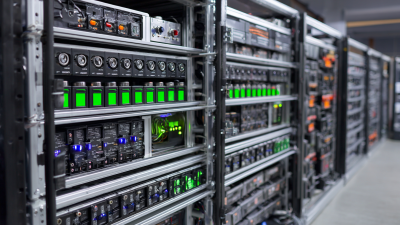
As we look ahead to a greener energy future, the outlook for Energy Storage Systems in 2026 is pretty important. MarketWatch reports that the global energy storage market might hit around $29.7 billion by then. A big reason for this boom? The growing demand for renewable energy sources. But, let’s be honest, there are still hurdles—things like technology glitches, costs, and the need for better infrastructure.
Dr. Emma Lin, who’s pretty much at the forefront of energy systems research, points out, ‘While Energy Storage Systems have huge potential, we really need to tackle some integration challenges if we want to make the most of them.’ Companies like Tesla and Fluence are making some good progress, but we’re still facing some real-world hiccups in operation. That makes you wonder—are our current plans enough to really drive a sustainable shift?
It’s clear that investing in smarter, more advanced batteries is more important than ever. BloombergNEF’s report shows lithium-ion batteries make up about 90% of the storage market. But these batteries aren’t perfect—they raise concerns around recycling and environmental impact. Looking ahead, continual improvements in Energy Storage Systems are gonna be key if we want to meet the world’s energy demands and keep pushing towards a cleaner, more sustainable future.
Energy storage systems play a critical role in today’s energy landscape. They enable efficiency and reliability in renewable energy sources, like solar and wind. According to a report by the International Energy Agency (IEA), energy storage capacity could reach 900 gigawatts by 2040. This growth indicates a significant shift towards sustainability.
Different types of energy storage systems exist. Battery storage is the most popular and can be used on various scales. However, challenges remain. These systems can be costly and may not yet be efficient enough for widespread adoption. A recent study shows that over 40% of companies still face hurdles in financing these technologies.
Moreover, the life cycle of batteries raises concerns. They usually have a limited lifespan, often requiring replacement after several years. While advancements like lithium-ion technology show promise, some critics express doubts about long-term sustainability. It is crucial to stay informed about new developments. Balancing innovation and practicality will determine the future of energy storage.
Energy storage systems are vital for a sustainable future. The landscape is evolving, and batteries remain a key player. According to a recent report by the International Energy Agency, the global battery market is expected to grow significantly, potentially reaching $300 billion by 2026.
Lithium-ion batteries dominate today’s market. However, they are not without challenges, such as resource limitations and environmental concerns.
Emerging technologies are addressing these drawbacks. Solid-state batteries promise greater efficiency and safety. These alternatives may revolutionize energy storage, reducing reliance on traditional lithium sources. Advances in flow batteries offer longer duration energy storage, ideal for renewable energy integration. The potential of these technologies is immense, yet scalability remains a critical challenge.
Energy storage isn't just about advancements; it's also about market readiness. The transition from R&D to practical applications can be uneven. According to various studies, about 30% of proposed energy storage projects face delays due to regulatory hurdles. As industry stakeholders work to smooth the transition, awareness and collaboration are crucial in overcoming these obstacles.
The energy storage market is poised for significant growth by 2026. According to recent studies, the global energy storage systems market may reach $250 billion. This represents a compound annual growth rate of approximately 25% from now until 2026. As renewable energy sources expand, the demand for effective storage solutions will only increase.
Battery technology is evolving rapidly. Lithium-ion batteries dominate the market now. However, alternatives like solid-state batteries are on the horizon. These new technologies promise greater efficiency and longer life cycles. In addition, market analysts predict that advancements in artificial intelligence could enhance the management of energy storage systems. This integration could optimize energy use and reduce waste.
Tips: Consider energy storage options that suit your needs best. Understand local energy regulations and incentives. Be mindful of the environmental impact of the production process. Another important factor is cost. While prices are decreasing, the initial investment can still be significant. Explore all avenues before making decisions.
When evaluating energy storage solutions, performance metrics are crucial. They determine how effectively a system can store and release energy. Common metrics include energy density, cycle life, and round-trip efficiency. Energy density measures how much energy can be stored in a given volume. Higher energy density allows for more energy storage in smaller spaces, which is essential for urban environments.
Cycle life indicates durability. It shows how many charge and discharge cycles a system can withstand before its capacity significantly declines. For example, lithium-ion batteries typically offer a cycle life of around 5000 cycles. This is an important factor for sustainability. Round-trip efficiency reflects the amount of energy retrieved versus what was stored. Systems with efficiencies over 80% are generally more desirable. However, many solutions fall short, raising concerns about waste.
Despite advancements, some energy storage technologies still present challenges. Cost remains a barrier, impacting widespread adoption. Research shows that as of 2023, over 50% of energy storage investments focus on improving these technologies. It’s essential to continuously evaluate innovations and explore the trade-offs between performance and affordability. Amid these metrics, some emerging solutions may not fully meet expectations, leading to reflection on their potential.
| Storage Type | Capacity (MWh) | Round-trip Efficiency (%) | Cycle Life (Number of Cycles) | Discharge Rate (MW) | Cost ($/MWh) |
|---|---|---|---|---|---|
| Lithium-ion | 10 | 90 | 3000 | 5 | 200 |
| Flow Battery | 15 | 75 | 10000 | 4 | 300 |
| Lead-acid | 5 | 85 | 1500 | 3 | 150 |
| Sodium-sulfur | 20 | 92 | 4500 | 10 | 250 |
| Compressed Air | 30 | 70 | 3000 | 15 | 180 |
Regulatory frameworks play a crucial role in the adoption of energy storage systems. Recent studies showed that strong regulations can increase market confidence. In 2021, about 30% of new energy storage projects were influenced by supportive policies. These frameworks can offer incentives for developers. Without these, investment may dwindle.
However, inconsistencies exist in regulations across regions. Some areas have clear guidelines while others lack comprehensiveness. This can create confusion for stakeholders. For instance, the Energy Storage Association reported that 40% of companies see regulatory barriers as a major challenge. Uneven policies can cause delays and limit growth in the sector.
Additionally, achieving harmonized standards remains elusive. A unified approach could streamline processes and reduce costs. Yet, diverse local regulations often complicate compliance. These obstacles may hinder innovation and slow the overall energy transition. The path forward requires a critical assessment of current policies. Only then can the full potential of energy storage systems be realized.
This chart shows the projected energy storage capacity in gigawatts (GW) by technology type for the year 2026. It highlights the growth of various energy storage technologies influenced by regulatory frameworks and market trends.
As the energy storage market evolves, understanding cost trends is crucial. In recent years, the average price of lithium-ion battery systems dropped by about 89% from 2010 to 2019, according to a report by BloombergNEF. This significant decrease has made renewable energy more accessible. However, the future is uncertain, and costs are expected to rise by 3-8% annually through 2026 due to increased demand and supply chain constraints.
Analysts predict a continued shift in the market. Factors like raw material prices and production capabilities will influence pricing. For instance, the cost of cobalt, a key battery component, has seen volatility. Costs for energy storage systems are not uniform. Some projects may encounter excess expenses related to installation and grid integration. As the landscape shifts, monitoring these trends remains essential for investors and stakeholders. Adapting to changing conditions is imperative for sustained growth in energy storage technologies.
The future of energy storage technology promises significant advancements. Innovations in battery chemistry, such as solid-state batteries, are paving the way for increased efficiency. These batteries can hold more energy and charge faster. Their potential applications span from electric vehicles to grid storage solutions.
Additionally, researchers are exploring organic materials for energy storage. These could lead to more sustainable and biodegradable options. The quest for improved energy density and longevity remains a challenge. Current technologies still face limitations in performance and cost.
Energy storage systems must evolve to meet rising global energy demands. There are still obstacles to overcome. Integration with renewable sources is crucial but complex. Flexibility in design and deployment will be key for future systems. As the landscape shifts, adaptability will determine success. Exploring varied solutions might reveal unexpected opportunities for innovation.
Harnessing solar power has emerged as a pivotal strategy for addressing our growing energy demands while minimizing environmental impact. The UD Series 800W-10000W inverters exemplify the future of renewable energy solutions, showcasing advanced technology that enhances the efficiency and reliability of solar energy systems. These inverters operate with an AC input range of 154-264VAC and 77-132VAC ±3V at a frequency of 50/60Hz, making them adaptable to various power environments, which is crucial for efficient energy conversion in real-world settings.
Equipped with a robust PV controller that operates at a capacity of 12V/60A, the UD Series allows for a maximum photovoltaic input voltage of 150VDC. This flexibility ensures that users can maximize their solar array power up to 800W, optimizing performance even with varying sunlight conditions. The inverters also support load peak ratios of up to 3:1, enabling them to manage surges in energy demand effectively. Moreover, the seamless integration of lithium battery systems without the need for extensive communication protocols simplifies the energy storage process, promoting smoother energy transitions from solar generation to usage.
As renewable energy solutions evolve, the UD Series showcases the potential of innovative inverter technology in harnessing solar power, driving both efficiency and sustainability in energy consumption. The combination of adaptability, efficiency, and smart management positions these inverters as a cornerstone for future energy systems.
: Think about your needs, preferences, and budget. Look for features that matter to you.
Check reviews, ratings, and materials used. Quality often shows in durability and performance.
Reach out to customer support. Document any problems for better assistance.
Packaging protects the product and suggests quality. Check for eco-friendly options too.
Many sellers offer return policies. Always read the terms before making a purchase.
Online shopping offers convenience. In-store allows hands-on experience but can take time.
It's good to stay informed. New models or features may improve your experience.
Take time to think. Ask friends or look for more information before deciding.
Yes, consider shipping, taxes, and additional fees. They can add up quickly.
Follow care instructions. Regular maintenance can extend its lifespan significantly.
The article "2026 Best Energy Storage Systems: What to Know?" provides a comprehensive overview of energy storage systems, highlighting their essential role in modern energy infrastructure. It begins with an understanding of these systems and their key technologies, particularly focusing on batteries while also considering alternative solutions. As the market for energy storage systems is poised for significant growth by 2026, the article discusses critical performance metrics for evaluating these solutions along with the regulatory frameworks that may impact their adoption.
Additionally, the article delves into cost analysis, exploring price trends associated with energy storage systems, and outlines future innovations that might shape the technology landscape. This examination not only informs stakeholders about the current state of energy storage systems but also provides insights into what the future may hold, emphasizing the importance of these technologies in pursuing sustainable energy goals.


business@roofer.cn
+86 13502883088