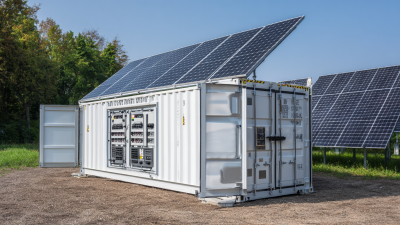
Hey, so here’s the scoop: worldwide demand for lithium batteries has shot up a lot lately. A big reason for this is the rapid growth in electric vehicles and the push for renewable energy storage. If you take a peek at the market research, it predicts that the global lithium-ion battery industry could hit around $129 billion by 2027 — that's pretty massive, with an annual growth rate of about 18%. This kind of rapid expansion really underscores just how crucial lithium battery suppliers are becoming as they try to meet all kinds of energy needs.
Now, when it comes to production, China seriously stepped into the spotlight. They've got some of the biggest players like CATL and BYD that are leading the charge. These companies are not only pushing the envelope with innovative tech but are also supplying batteries for everything from your smartphones to industrial setups. But, here’s the thing, it’s not all smooth sailing. Buyers often need to deal with changing raw material prices and different quality standards across suppliers. So, knowing the landscape inside out is pretty important if you're looking to make smart purchasing choices.
On the bright side, there’s a lot of potential to partner up with trustworthy suppliers. The key is to look for ones who aren’t just offering good prices but also care about sustainability and top-notch quality. Picking the right lithium battery supplier can really make a difference — it affects how efficiently your operations run and how responsible you are environmentally. Recognizing this can help you make smarter, more strategic moves in this constantly changing market.
China is a major player in the lithium battery market. The country produces a large percentage of the world’s lithium batteries. This growth results from rising demand for electric vehicles and renewable energy storage. Companies in China invest heavily in research and development. They focus on improving battery performance and sustainability.
Navigating this market can be complex. There are many suppliers to choose from, each with different offerings. Some companies excel in mass production, while others focus on advanced technologies. Buyers need to conduct thorough research. Assessing the quality and reliability of suppliers is crucial. Factors such as certifications and past performance can be indicators of a supplier's reliability.
Local regulations and market dynamics also influence the landscape. It is important for buyers to understand these factors. Variations in quality standards may exist. Additionally, potential language barriers can complicate communication. Engaging with suppliers directly may reveal important insights. This interaction can ensure alignment in expectations and requirements.
China has emerged as a powerhouse in lithium battery manufacturing. The country boasts several key players that supply high-quality batteries for various applications. These suppliers have established strong reputations through innovation and reliability. They leverage advanced technology to produce batteries that meet international standards.
When selecting a supplier, it's vital to assess their experience in the industry. Look for companies that have demonstrated expertise in lithium battery production. Consider their manufacturing processes and quality control measures. This can provide insight into their ability to meet your needs consistently.
Tips: Evaluate the supplier's commitment to sustainability. With increasing demand for eco-friendly solutions, choosing a partner focused on sustainable practices can be crucial. Additionally, verify certifications and industry affiliations. This adds layers of trust to your supplier relationship.
Understand that not every supplier may be aligned with your specific requirements. Some may lack flexibility in customization. Finding a supplier that onboard feedback and improvement is essential. A collaborative relationship can drive better outcomes in the long run.
The global lithium battery market has seen remarkable growth, particularly driven by advancements in electric vehicles and renewable energy. China's leading manufacturers have gained a significant share, shaping the industry's landscape. Their innovative technology and competitive pricing make them attractive to international buyers. However, challenges lie ahead.
Many manufacturers focus on large-scale production. This often leads to quality control issues that can impact reliability. Some companies struggle to maintain consistent standards amid rapid expansion. Buyers must research and verify the suppliers' capabilities before committing. Not all players deliver the same level of performance or durability.
Market share analysis reveals that a handful of companies dominate. This concentration can stifle competition and innovation. Buyers might find it beneficial to explore emerging manufacturers. These smaller firms often bring fresh ideas and new technologies, though they may also pose risks. It is essential to balance innovation with reliability when selecting suppliers in this dynamic market.
When it comes to sourcing lithium batteries from China, quality standards and certifications are paramount. Chinese suppliers must adhere to various international quality benchmarks. Many hold ISO 9001 certifications, indicating effective quality management systems. This ensures consistent product quality over time. Buyers should look for suppliers who have passed safety tests like UN38.3, which validates battery safety during transportation.
However, not all certifications are equal. Some suppliers may have incomplete documentation. This raises concerns about the reliability of their products. Checking for compliance with the latest RoHS and CE directives is essential. These certifications demonstrate that the products meet environmental and safety standards. Buyers should engage directly with suppliers to ask about their certifications and quality assurance processes.
Communication is critical. Effective dialogue can reveal a supplier’s commitment to quality. Yet, beware of overly generic claims. Authentic suppliers provide details about their testing processes and quality control measures. A thorough understanding of these aspects ensures that you choose reliable partners in the lithium battery industry. Remember, a supplier's willingness to share information reflects their integrity and professionalism.
In recent years, Chinese lithium battery manufacturers have made significant strides in technological advancements. They focus on enhancing energy density, reducing charging times, and improving safety features. These innovations are crucial for industries relying on lithium batteries, especially electric vehicles and renewable energy sectors. New materials and processes have emerged, leading to lighter and more efficient batteries.
Tips: When choosing suppliers, consider their R&D investments. This often reflects their commitment to innovation.
Manufacturers have also started adopting automated production lines. Automation not only boosts productivity but also improves consistency in quality. However, challenges remain. Quality control is essential as even minor defects can lead to major failures. Industries must remain vigilant.
Tips: Ask for reports on quality assurance and testing procedures before finalizing any contracts. This can help mitigate risks.
Another focus area is sustainability. Manufacturers are exploring ways to recycle battery materials. Recycling not only conserves resources but also addresses environmental concerns. Regulations are changing, pushing manufacturers towards more eco-friendly practices.
Tips: Ensure potential suppliers have sustainable practices in place. This can benefit your brand’s image and compliance efforts.
| Supplier Region | Annual Production Capacity (GWh) | Key Technologies Used | Main Applications | Export Markets |
|---|---|---|---|---|
| Guangdong | 30 | Lithium Iron Phosphate (LFP) | Electric Vehicles, Energy Storage | North America, Europe |
| Jiangsu | 25 | Nickel Manganese Cobalt (NMC) | Consumer Electronics, EVs | Asia-Pacific, Latin America |
| Shanghai | 15 | Solid-State Battery Technology | Mobile Devices, Drones | Middle East, Africa |
| Shenzhen | 50 | Lithium Cobalt Oxide (LCO) | Smartphones, Laptops | Worldwide |
| Hebei | 20 | Lithium Nickel Manganese Cobalt (NMC) | Industrial Applications, Power Tools | Europe, North America |
Global buyers face a dynamic landscape when sourcing lithium batteries from China. The rapid growth of this industry highlights the importance of understanding supply chain dynamics. According to a report by the International Energy Agency, the demand for lithium batteries is projected to reach 500 GWh by 2030. This presents both opportunities and challenges for international buyers, who must navigate various logistics complexities.
Timely deliveries are crucial. Delays can disrupt production schedules. A recent survey indicated that 45% of companies experienced shipping delays, impacting their bottom line. Buyers should prioritize suppliers who offer reliable logistics solutions and have established shipping networks. This can minimize risks associated with supply chain disruptions.
Tip: Always verify the credibility of suppliers. Check for certifications and review customer feedback. Transparency in communication is vital for a successful partnership. Engaging with experienced logistics partners can further enhance efficiency. Understanding local regulations and tariffs is equally important. This can prevent unexpected costs and delays. Prioritize ongoing assessment of supplier performance to ensure alignment with your operational goals.
The lithium battery industry in China is evolving rapidly. Many producers are embracing sustainability in their manufacturing processes. This shift is crucial for global buyers who prioritize eco-friendly options. Recent studies show an increase in renewable energy usage during production. Many facilities are also recycling materials, reducing waste. These practices are not uniform, and some companies still struggle with implementation.
In addition, transparency is becoming a core value. Suppliers are now disclosing their sourcing methods and carbon footprints. Buyers highly value this information. It helps them make informed choices. However, not all companies maintain rigorous standards. Some may provide misleading information about their sustainability efforts. This inconsistency can create challenges for global buyers.
Engagement with local communities is another important aspect. Some producers are investing in social initiatives, such as education and health programs. While these steps are commendable, the scope and impact can vary significantly. Assessing the effectiveness of such initiatives requires careful scrutiny. Global buyers need to balance sustainability claims with real-world impacts.
The 12V 100Ah lithium deep cycle battery with an IP65 ABS enclosure is a game-changer for those looking to maximize their power solutions. This battery boasts significant advantages, particularly for renewable energy applications like solar energy systems. Designed for deep cycling, it can withstand numerous charging and discharging cycles while delivering reliable performance, ensuring that energy is available whenever you need it.
One of the standout features of this battery is its quick charging capability, making it an excellent choice for various uses, including RVs, marine applications, and off-grid setups. The lightweight design aids in easy installation and mobility, allowing users to carry it effortlessly across different applications. Additionally, the IP65 rating of the enclosure ensures that the battery is protected against dust and moisture, enhancing its longevity and reliability even in challenging environments.
Safety is a paramount concern for battery users, and this lithium deep cycle battery is engineered with advanced safety mechanisms to prevent overcharging and overheating. This reliability makes it a smart choice for sustainable power initiatives, promoting efficient energy use and storage. By integrating this high-performance battery into your system, you are investing in a sustainable future while maximizing your solar energy potential.
: Assess their industry experience and manufacturing processes. Look for their quality control measures and certifications.
Suppliers committed to sustainable practices help meet the rising demand for eco-friendly solutions. This can be crucial for long-term partnerships.
Look for ISO 9001, RoHS, and CE certifications. These indicate adherence to international quality and safety standards.
Verify their certifications and engage in direct communication. Ask about their quality assurance processes and testing measures.
Not all suppliers can offer flexibility. Find one that is open to feedback and improvement for better collaboration.
It reveals their commitment to quality and helps build trust. Genuine suppliers share detailed information about their processes.
Complete documentation indicates reliability. Incomplete documentation may raise concerns about product quality.
Yes, generic claims can be misleading. Authentic suppliers provide specific details about their quality practices.
Foster a collaborative environment. Providing feedback and engaging in discussions can lead to better outcomes.
It shows their integrity and professionalism. Openness often indicates a commitment to quality and customer satisfaction.
The lithium battery market in China is an integral part of the global energy landscape, showcasing a diverse array of suppliers and innovative practices. Understanding the dynamics of this market is crucial for global buyers looking to source quality products. The analysis of key players reveals a competitive environment, with leading manufacturers capturing significant market share and adhering to stringent quality standards and certifications.
Technological advancements in production processes have further enhanced the performance and sustainability of lithium batteries. Additionally, the complexities of supply chain logistics are vital for ensuring smooth transactions and reliable deliveries. As sustainability becomes increasingly important, many Chinese lithium battery producers are adopting eco-friendly practices, making them appealing partners for businesses focused on responsible sourcing. Ultimately, navigating these factors can empower international buyers to make informed decisions in the growing lithium battery market.


business@roofer.cn
+86 13502883088