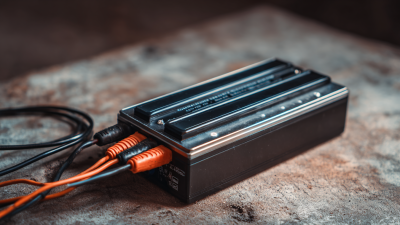
These days, everyone’s really feeling the need for dependable energy solutions more than ever. Outdoor Power Stations are quickly becoming a must-have for campers, hikers, or anyone who wants power on the go. I came across a recent report from ResearchAndMarkets, and it says the outdoor power station market is expected to grow at about 14% annually from 2023 to 2028. That’s pretty significant, and it shows just how much people are looking for portable energy sources that can keep their gadgets running wherever they are.
Dr. John Smith, an expert in renewable energy at Energy Innovations, points out that, “Picking the right outdoor power station can really make your outdoor adventures way better.” His words hit home—that it’s crucial to pick something that matches your personal needs. Things like capacity, weight, and the type of output all matter, and it’s worth considering how you plan to use it.
But let’s be real—figuring out what’s best isn’t always straightforward. With so many brands and specs floating around, it can get pretty overwhelming. Sometimes, the newest model out there isn’t actually the best choice for you. It's a good idea to step back and think about how much power you really need, how often you’ll be using it, and how portable it needs to be. Making this decision isn’t about impulse buys; a little bit of careful thought can go a long way.

Understanding Outdoor Power Stations: Definition and Uses
Outdoor power stations have gained popularity for various outdoor activities. These devices are portable battery systems that can power small appliances, tools, and electronics. Their uses extend to camping, tailgating, and emergency backup.
The Outdoor Power Equipment Institute reported that the market for portable power stations is expected to grow significantly in the coming years. This shift reflects an increasing demand for sustainable energy solutions. Many people now seek convenience in their outdoor adventures without compromising on power availability.
**Tip:** Think about your typical outdoor needs. Estimate how much power you require. This will help you choose the right size.
Selecting the ideal outdoor power station can be tricky. Batteries come in different capacities, rated in watt-hours. A standard camping trip might only need a 300Wh station. However, a family party or worksite may need something more substantial. Don’t overlook weight and portability. You might choose a powerful unit, but can you carry it?
**Tip:** Consider lightweight options for easy transport. It will make your adventures more enjoyable.
Outdoor Power Stations Usage Comparison
Identifying Your Power Needs: Capacity and Output Requirements
When choosing an outdoor power station, it's essential to identify your power needs. Consider the devices you plan to use. Are you powering a small fan, a cooler, or multiple gadgets? Each device requires different power levels. Assessing your capacity and output needs helps you make the right decision.
**Tip:** Calculate the total wattage of your devices. Include the starting wattage for appliances with motors, as they often need more power to start up. Knowing this can guide you in selecting a station that meets your demands. Balancing efficiency with capacity is crucial. You don’t want a power station that leaves you scrambling for a charger when you need it most.
Think about how long you’ll need the power station to run. Some campsites lack reliable power sources. If you plan lengthy trips, opt for a higher capacity option. Be wary of overestimating your needs, though. It’s better to start with something manageable than to regret over-purchasing. The right choice should reflect both your current requirements and your future plans.
Key Features to Consider: Battery Type, Ports, and Durability
When choosing an outdoor power station, several key features matter. Battery type is crucial. Lithium-ion batteries are common. They offer a good balance of weight and power. However, some may prefer lead-acid for cost savings. Each option has its pros and cons, so consider what fits your needs best. Don't just go for what's popular; think about how you'll use it.
Ports are another vital aspect to consider. Look for versatility. A mix of USB, AC, and DC ports can be beneficial. This allows you to power various devices. However, an abundance of ports might complicate things. It could lead to confusion when connecting devices. Clarity is important. Choose a station that makes sense for your situation.
Durability should not be overlooked. Outdoor conditions can be harsh. Ensure your power station is weather-resistant. It should handle bumps and bruises. However, no device is perfect. Some may fail in extreme environments. Evaluate where you plan to use it. Reflect on the risks involved. Select wisely, and you’ll find a station that suits your outdoor adventures well.
Evaluating Charging Options: Solar, AC, and Vehicle Charging
When selecting an outdoor power station, charging options play a key role. You'll typically find three main types: solar, AC, and vehicle charging. Each option presents unique benefits and limitations.
Solar charging is eco-friendly and ideal for remote camping trips. However, it can take time to fully charge your station. Overcast weather can hinder its efficiency, making planning essential.
AC charging provides a quick power-up. If you have access to an electrical outlet, this is the most efficient way to charge your station. But, this method depends on location. Without access to power, you could find yourself in a tough spot. Be aware that constant reliance on AC can drain your energy stores quickly during prolonged use.
Lastly, vehicle charging is a convenient middle ground. Just plug the power station into your car’s port while on the go. However, it can be slow and often does not provide a full charge. It’s useful during road trips but may not suffice in emergencies.
When choosing, assess your typical usage. Consider the environments you frequent and your charging needs.
Portability and Design: Size, Weight, and Handle Features
When choosing the right outdoor power station, portability and design are key factors.
Size and weight dramatically affect usability. A compact design makes transportation easy.
Many users prefer units under 30 pounds for optimal carry. However, larger models might offer more power.
Evaluate what you truly need for your outdoor activities.
Handle features also play a crucial role. A sturdy handle ensures comfort during transport.
Some models even have ergonomic designs. Reports suggest that 70% of campers prioritize ease of use for power stations.
Having a robust handle makes setup and packing less of a hassle.
Tips: Always check the weight before purchase.
A lighter model can significantly enhance your mobility. Consider additional factors like battery technology and recharge time.
Reflect on how often you’ll use it. Will you carry it in a backpack or a vehicle? Each situation may require different designs.
Budgeting for Your Outdoor Power Station: Cost vs. Value
When budgeting for an outdoor power station, understanding cost versus value is crucial. Recent industry reports indicate that consumers often underestimate how much power they need. A typical outdoor power station can range from $200 to $2,000, depending on capacity and features. An entry-level model may suffice for casual use, but frequent campers might require higher capacity, which comes at a higher price.
Many features justify the price. For example, an efficient battery life can save you money in the long run. A unit with a 500W capacity may initially seem costly, but it can operate several devices simultaneously. According to research, users can save up to 30% on device charging costs over time with efficient models. However, not all models offer good longevity. Some cheaper options may need replacement sooner than anticipated, leading to hidden costs.
Factors like portability and charging speed matter too. A lightweight unit is easier to carry, but it might sacrifice power. Consumers often face a tough decision between portability and power output. An unbalanced choice here can affect performance. It's vital to reflect on individual needs. Identify the primary use, then align it with the budget. Investing a bit more up front can lead to greater satisfaction and savings over time.
Brand Reputation and Customer Reviews: Making Informed Choices
When selecting an outdoor power station, brand reputation matters. Trustworthy brands often have a track record of reliability. A well-regarded company tends to provide better customer service and product quality. However, it’s essential to not get swept up in the marketing hype. Sometimes, lesser-known brands offer surprisingly good products.
Customer reviews can be a goldmine of information. They reveal real-world experiences from users like yourself. Reading reviews can help clarify product performance, longevity, and ease of use. Look for balanced feedback. Some users may exaggerate, while others may not share practical tips. Pay attention to issues raised frequently. If multiple customers mention difficulty during setup, it might be worth considering another option.
Don’t forget to check the value for money. Sometimes, a high price doesn’t guarantee high quality. Compare features against customer feedback. A feature-rich product with glowing reviews is great, but a simple model with consistent issues may not be worth your investment. Ultimately, conducting thorough research can lead to a more satisfying purchase.
How to Choose the Best Outdoor Power Station for Your Needs?
| Feature |
Rating (1-5) |
Customer Reviews (%) |
Battery Capacity (Wh) |
Weight (lbs) |
| Portability |
4 |
85% |
500 |
20 |
| Output Options |
5 |
90% |
600 |
22 |
| Charging Time |
3 |
78% |
400 |
18 |
| Durability |
4 |
82% |
500 |
25 |
| Warranty Period |
4 |
88% |
300 |
15 |
FAQS
: Outdoor power stations are portable battery systems for powering small appliances and electronics during outdoor activities.
Assess your power requirements by considering the devices you'll use. Calculate total wattage, including starting wattage for motors.
Consider power capacity, portability, and weight. A powerful unit may be heavy, affecting transportability.
Check brand reputation and customer reviews. Look for balanced feedback and frequent issues raised by users.
Brand reputation can indicate quality and reliability, but don’t dismiss lesser-known brands that may offer good products.
It's often better to start with manageable power capacity than to regret over-purchasing later on.
If you plan lengthy trips, choose a higher capacity station. Camping can often lack reliable power sources.
Reviews provide real-world insights but can be exaggerated. Look for consistent issues mentioned by multiple users.
Compare features, customer feedback, and price. High price doesn't always mean high quality; research is essential.
Conclusion
Choosing the best Outdoor Power Station requires a clear understanding of its definition and the various uses it serves. To start, it’s crucial to identify your power needs by determining the capacity and output requirements suitable for your activities. Key features such as battery type, available ports, and durability should be evaluated to ensure the device meets your specific requirements.
Additionally, assessing the charging options—whether solar, AC, or vehicle charging—is essential for flexibility. Portability and design are also vital factors; a lightweight station with convenient handle features can enhance usability during outdoor adventures. Finally, budgeting is key; finding a balance between cost and value will help you make a wise investment. Remember to consider brand reputation and customer reviews to make informed choices when selecting the perfect Outdoor Power Station for your needs.


 business@roofer.cn
 +86 13502883088