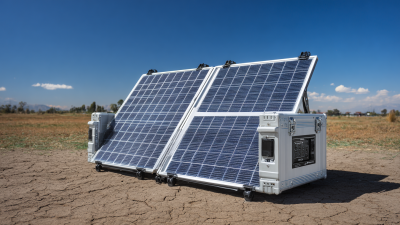
Picking out the right solar generator can honestly feel pretty overwhelming. With so many options out there, it’s super important to find one that really fits what you need. As John Smith from Green Energy Solutions points out, “A solar generator should match your power needs and fit with your lifestyle.” That’s a good reminder that understanding how you plan to use it is key when choosing one.
There are a bunch of factors to keep in mind, though. Things like the wattage, battery size, and how portable it is matter a lot. If you’re thinking about taking it camping, a lightweight and easy-to-carry model might be your best bet. But if it’s mainly for backup at home, you’ll probably want something with higher wattage and bigger capacity. Still, I’ve seen so many folks rush into buying without doing their homework—which, honestly, can lead to quite a few regrets later on.
Price is also a big deal. Cheap options might seem tempting at first, but they often lack the reliability you really need. Spending a little extra on a well-known brand can pay off in the long run, with better durability and support. At the end of the day, thinking about your specific needs and maybe even doing a quick power audit can make a huge difference. That way, you’re more likely to end up with a solar generator that’s perfect for your situation—not just something that sort of works.
Solar generators are becoming increasingly popular for those seeking sustainable energy solutions. They use solar panels to harness sunlight, which is transformed into electricity. This process is not only efficient but also environmentally friendly. With the right setup, these generators can power a variety of devices, from lights to larger appliances.
Understanding the benefits of solar generators helps in the decision-making process. One of the key advantages is their portability. You can use them anywhere, whether at home, camping, or during emergencies. Additionally, they require minimal maintenance compared to traditional generators. However, it's essential to consider your energy needs carefully. Not everyone requires the same power output; some might need just enough for small electronics, while others may seek to run larger machinery.
Sometimes, solar generators may not meet all expectations. Their efficiency heavily relies on sunlight availability. Overcast days or shaded areas can reduce output, which might lead to energy shortages. Also, the initial investment can be daunting for some. Reflecting on these aspects can aid in making a more informed choice. Ultimately, recognizing both the strengths and limitations of solar generators is crucial for selecting the right model.
When selecting a solar generator, several key factors should guide your choice. Battery capacity is crucial. Look for models that can store enough energy for your needs. The wattage output matters too, indicating how many devices you can power simultaneously. Assess your energy needs carefully. An oversized generator may seem appealing but can lead to overspending.
Portability is another important aspect. If you intend to use your generator for camping or outdoor activities, choose a lightweight and compact design. Solar panel efficiency is vital as well. Higher efficiency allows for quicker charging times. Some models come with built-in solar panels. Others require separate purchases.
Consider the warranty period and customer support from the manufacturer. A solid warranty reflects confidence in product quality. Reflect on whether you need an inverter generator for sensitive electronics. Not all models provide clean energy for delicate devices. Take time to research and compare options thoroughly. Each variable affects your overall satisfaction. Aim for a generator that aligns with your lifestyle and expectations.
| Feature | Description | Importance Level |
|---|---|---|
| Battery Capacity | The total energy storage capability, often measured in watt-hours (Wh). | High |
| Portability | Weight and design for easy transport, essential for outdoor activities. | Medium |
| Inverter Size | Maximum output in watts; important for running larger appliances. | High |
| Solar Input | The maximum amount of solar power it can accept, usually listed in watts. | Medium |
| Durability | Construction quality and resistance to elements and impact. | High |
| Charge Time | Duration required to fully charge from solar or AC input. | Medium |
| Price | Cost-effectiveness based on features and performance comparison. | High |
When choosing a solar generator, assessing your power needs is crucial. The average household uses about 30 kWh per day, according to the U.S. Energy Information Administration. This figure can vary significantly based on appliances, climate, and lifestyle. Begin by listing essential devices. A refrigerator, for example, may use 100-800 watts. In contrast, a laptop might require only 20-50 watts.
Next, calculate the total wattage for these devices. If you plan to run multiple items simultaneously, add their wattages together. This process will reveal the minimum output needed from a solar generator. According to a report by the National Renewable Energy Laboratory, understanding your peak load requirements is essential for efficient generator selection.
Consider the generator's battery life, too. Most solar generators range from 500Wh to 2000Wh. Choose one that meets your estimated daily usage. For example, a generator with 1000Wh can power a refrigerator for about 10 hours, depending on its wattage. Remember, these numbers can vary based on efficiency and usage patterns. Don’t overlook the climate impact on solar energy production as well. Seasonal changes may affect availability and performance.
When selecting the right solar generator, it’s crucial to understand the various types available.
Portable solar generators are ideal for camping or emergencies. They are lightweight and easy to transport. Fixed solar generators, on the other hand, are installed permanently. They handle larger power needs and provide a stable energy source for homes.
Data indicates that the global solar generator market will reach $2.2 billion by 2026, driven by increasing demand for renewable energy. Off-grid solar generators typically come with batteries that store energy. This setup is beneficial for remote locations. However, this type may not always provide enough power for bigger appliances.
Understanding your power requirements is key. For instance, you might need 300 watts for basic needs. Some users may require up to 1,500 watts or more for larger operations. This wide range often leads to confusion. Balancing your energy needs with available space and budget is essential. Don't rush the decision, as the right choice will enhance your energy independence.
When choosing a solar generator, battery capacity is crucial. This determines how much energy can be stored for use. According to industry reports, higher-capacity batteries generally provide more hours of power. A 500Wh battery can typically run small appliances for several hours. This could power a refrigerator for around 4-6 hours, depending on usage. Yet, not all scenarios require such high capacity. Understanding your specific needs is essential.
Compatibility with solar panels is another key factor. Not all generators work with every solar panel. Some units support only certain voltages or wattages. The National Renewable Energy Laboratory suggests matching solar panels to generator specifications is vital for optimization. If you use mismatched components, charging efficiency can drop significantly. For example, using a 300W panel with a generator designed for a 200W input won't yield expected performance.
Consider your lifestyle and energy needs. A camper might prioritize portable, lightweight options. On the other hand, a homeowner may need a larger, stationary setup for emergency backup. Awareness of your energy consumption habits will help in making the best choice. Yet, many users overlook conducting a proper assessment of their daily energy use. This can lead to purchasing a system that doesn't fully meet their needs, resulting in frustration and potential inefficiencies.
When selecting a solar generator, portability and design features are crucial. A lightweight model enhances mobility.
Many users prefer generators weighing under 40 pounds. This makes transport easier for camping or emergency use. Compact designs maximize space efficiency. Some generators fold, making them even more convenient for storage.
Battery design is another vital aspect. Lithium-ion batteries are popular due to their high energy density. Reports indicate they can last longer than traditional lead-acid batteries. Users benefit from faster charging times and lighter weights.
Solar generators with integrated panels offer convenience but may sacrifice portability. Portable models usually require separate panels, adding complexity.
Battery life varies significantly between models. Some last only a few hours, while others can sustain power for days. Evaluating the *watt-hour (Wh)* rating is essential. Generators with higher Wh ratings generally provide more power. However, this may result in increased weight. Users often face trade-offs between power capacity and portability, requiring careful consideration of personal needs.
When considering a solar generator, budget and pricing are key factors. It’s vital to evaluate your specific needs before making a purchase. Solar generators vary widely in price, with smaller units suitable for basic needs available for a few hundred dollars. Larger, more powerful systems can cost thousands. Assess your intended use to find the right fit for your finances.
Look at the price as an investment. Higher-priced models often offer longer warranties and greater efficiency. Remember, lower upfront costs might lead to higher expenses later. Solar generators with advanced features like efficient battery management may seem costly but can save money in the long run.
Consider additional costs as well. Accessories like solar panels or expansion kits could add to the total expense. Will you need portable options or fixed installations? Reflect on your power needs and whether they might change in time. This can affect your overall budget significantly. Conduct thorough comparisons to ensure you make a well-informed decision.
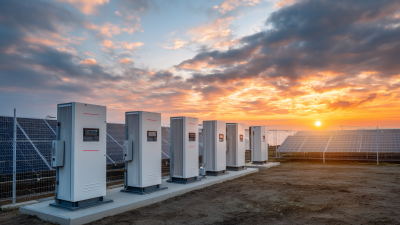
In recent discussions surrounding renewable energy solutions, optimizing energy efficiency has become paramount. The GD Series solar inverter stands out as a key technology in this landscape, providing essential capabilities that enhance overall system performance. With an AC input range of 90-280VAC, operating at both 50 and 60Hz, this inverter ensures compatibility with various energy grids, accommodating diverse installation environments. Its output stability, rated at 220-240VAC±5%, guarantees the reliable supply of power to connected devices, an essential characteristic for maximizing energy utilization.
Furthermore, the inverter's dual Maximum Power Point Tracking (MPPT) technology allows for superior harnessing of solar energy, efficiently managing a PV input voltage range of 90-500VDC. With the capacity to connect PV arrays generating between 3000W and 11000W, it effectively converts solar energy into usable electricity. The built-in lithium battery communication and self-start functionalities using mains or photovoltaic means represent significant advancements in user convenience and system responsiveness. Non-parallel operation offers streamlined integration into existing setups, emphasizing the versatility of the GD Series for both residential and commercial applications while advocating a shift toward sustainable energy practices.
: Solar generators convert sunlight into electricity using solar panels. They provide sustainable energy options.
They are portable and require little maintenance. They can power various devices in different locations.
Not always. Their efficiency depends on sunlight availability, which may cause energy shortages.
There are portable generators for camping and fixed models for homes. Each serves specific energy needs.
Battery capacity indicates how much energy can be stored. Higher capacities provide longer power durations.
Mismatched panels can reduce charging efficiency. Proper matching ensures optimal performance of the generator.
Identifying energy requirements is crucial. Users often overlook this, leading to unsuitable purchases.
Some may need just 300 watts for basic needs, while others may require 1,500 watts or more.
It's essential to assess lifestyle, energy habits, and compatibility carefully. Rushed decisions can cause regrets.
Yes, high initial costs and the reliance on sunlight can be challenging for some users to manage.
When choosing the best solar generator for your needs, it's essential to understand what solar generators are and the numerous benefits they offer, such as eco-friendliness and energy independence. Key factors to consider include your power requirements, the types of solar generators available, and how well battery capacity aligns with solar panel compatibility.
Additionally, portability and design features can significantly influence your choice, especially if you plan to use the generator for outdoor activities or emergencies. Finally, budget and pricing considerations play a crucial role, ensuring that you choose a solar generator that fits your financial constraints while meeting your energy needs. By evaluating these aspects thoroughly, you can make a well-informed decision that optimally suits your lifestyle.


business@roofer.cn
+86 13502883088