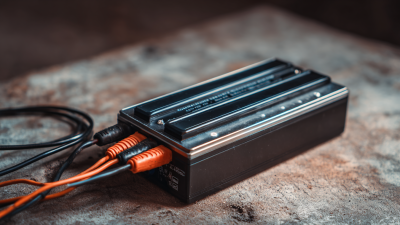
Lithium-ion batteries are pretty much the backbone of our modern lives. Think about it—smartphones, electric cars, you name it—they’re everywhere. But honestly, a lot of folks don’t really do much to get the most out of them. Poor charging habits can lead to these batteries wearing out way sooner than they should. And hey, not all charging tips are created equal. Sometimes, tiny tweaks in how we care for our batteries can make a huge difference.
It helps to understand how these batteries actually work. Temperature plays a huge role—being too hot or too cold can really mess with their performance and lifespan. And discharging them all the way to zero? Not the best idea. Knowing these little facts can really help you take better care of your devices.
Simple routines can make a big difference. Like, maybe avoid charging your phone overnight all the time, and try not to use your device in super hot or cold environments. These tiny habits might seem trivial, but they can seriously extend the life of your batteries. At the end of the day, the goal is to keep your batteries healthy and working well for a longer time so you don’t have to replace them all the time.
Lithium-ion batteries power many modern devices. Understanding their chemistry helps extend their lifespan. These batteries rely on the movement of lithium ions between the anode and cathode. When charged, lithium ions move to the anode. Discharging reverses the process. This flow is crucial for performance.
To optimize battery life, avoid frequent full charges. Instead, aim to keep the charge level between 20% and 80%. This can help reduce stress on the battery and promote better longevity. Store batteries in a cool, dry place. High temperatures can accelerate degradation.
Another tip is to avoid deep discharges. Using your battery until it's completely dead can harm its capacity. Charge your devices regularly instead. Regular charging allows the battery to maintain its health over time. Monitor the battery's temperature during use. If it feels hot, take a break. This might indicate stress, suggesting it’s time for a reflection on usage habits.
Optimal charging practices play a critical role in extending the life of lithium-ion batteries. According to a study published in the Journal of Power Sources, maintaining optimal charging levels can enhance battery lifespan by up to 50%. Here are some key tips to consider.
Charge your device when it drops to around 20%. Avoid letting it drop below this level frequently, as deep discharges can wear out the battery faster. Keep it within the 20% to 80% range for the best performance. Overcharging is another concern. It’s best to unplug the device once it reaches full capacity. Reports indicate that charging to 100% may shorten longevity due to increased stress on battery cells.
Temperature is also a factor. Lithium-ion batteries thrive in moderate temperatures. Keeping your device cool can prevent overheating, which is detrimental to battery health. If you’re charging your device, make sure it’s in a well-ventilated space. Ideally, operate in a temperature range between 20°C to 25°C.
Investing attention into these practices can lead to better battery performance. Still, remember that every battery has a finite life. Regularly review charging habits and adjust when necessary to ensure longevity.
Temperature control is vital for lithium-ion batteries. They operate best in a moderate climate. High heat can drastically reduce battery lifespan. Long exposure to extreme temperatures can cause permanent damage. Ideally, keep batteries in a cool environment. Aim for temperatures between 20°C and 25°C. This simple practice can enhance performance and longevity.
Extreme cold is just as harmful. It can impede chemical reactions within the battery. As a result, you may notice a drop in performance. Be cautious during winter months. Avoid leaving devices in cold cars or outside. Remember, a battery's efficiency suffers when temperatures fluctuate too much. Regularly check battery health to ensure it remains in optimal conditions. Adjusting your storage habits may require effort, but the rewards justify the attention.
Lithium-ion batteries power many devices today. However, deep discharges can significantly reduce their lifespan. It's crucial to avoid letting the battery drain completely. Ideally, charge it before it reaches below 20%. This prevents damage to the battery's cells. A smartphone or laptop should be charged regularly to maintain optimal performance.
Monitoring battery levels is essential. Don't wait until the last minute. Charging frequently helps keep the battery healthy. It may seem inconvenient, but it’s better for long-term use. Consider investing in a portable charger. It's handy for those hectic days when you’re on the go.
Another consideration is temperature. Batteries do not perform well under extreme conditions. Storing devices in a cool place extends their life. Additionally, avoid using the device while it charges. This can lead to overheating, which causes strain on the battery. Taking these small steps may seem tedious, yet they are vital for longevity. Reassessing your charging habits can make a difference.
To maximize the performance of lithium-ion batteries, periodic calibration is crucial. Calibration helps in adjusting the battery's reference points. It ensures that the battery's percentage display remains accurate. A study by the Battery University indicates that inaccurate displays can lead to premature battery wear. Regular checks reduce the risk of over-discharge, which can permanently damage the cells.
Tip: Charge the battery regularly. Letting the battery drain completely can harm its longevity. Aim to keep the charge between 20% and 80%. This practice helps maintain a balanced chemistry within the battery.
Another crucial tip is to avoid extreme temperatures. High heat can cause batteries to swell and reduce their lifespan. The ideal operating temperature for most lithium-ion batteries is between 20°C and 25°C. Keeping devices cool is essential for performance.
Calibration is not a one-time effort; it needs to be done regularly. Ignoring this may lead to inconsistencies. Users often overlook this simple step, assuming automatic systems will suffice. Regular calibration can prevent the battery deterioration that many experience.
Choosing the right storage conditions for lithium-ion batteries can significantly impact their longevity. A study from the National Renewable Energy Laboratory revealed that temperature plays a crucial role. Storing batteries above 25°C (77°F) can drastically reduce their lifespan by up to 50%. Ideally, a cool, dry, and well-ventilated space should be chosen for storage.
Humidity levels also matter. High humidity can lead to corrosion, while overly dry conditions can cause battery materials to degrade. It’s essential to keep the humidity between 20% and 60%. Users sometimes overlook these factors, thinking that simply keeping batteries away from direct sunlight is enough. This can lead to premature battery failure.
The ideal storage voltage is another key consideration. Keeping a lithium-ion battery at about 40-60% charge can help maintain its health. Some may store batteries fully charged or completely drained, believing it ensures better performance. However, this is a misconception. Regularly checking conditions and adjusting storage strategies could yield better results. Ignoring this can lead to unexpected outcomes.
Maintaining lithium-ion batteries is crucial for longevity. Regular checks can prevent unexpected failures. Monitor the battery's temperature and voltage. Too much heat can lead to damage. A cool environment is ideal for storage. Aim for around 20 to 25 degrees Celsius.
Charging habits also play a significant role. Try not to let the battery drop below 20%. Frequent deep discharges can wear it out quickly. Instead, keep it between 20% and 80% to extend its life. Remember to use proper chargers. Using incorrect ones can create risks.
It’s also essential to inspect connections. Loose connections can harm performance. Regularly clean terminals to remove debris. This small step can make a big difference. If you notice swelling or unusual performance, consider replacing the battery. It’s better to be cautious than to risk accidents. Always reflect on your usage patterns and habits. Adjusting minor behaviors can significantly impact battery health.
| Tip Number | Maintenance Tip | Description | Frequency |
|---|---|---|---|
| 1 | Keep Battery Cool | Avoid high temperatures to prevent battery damage. | Always |
| 2 | Regular Charging | Charge battery regularly to maintain health. | Daily |
| 3 | Avoid Deep Discharge | Do not let battery drain completely. | Always |
| 4 | Use Correct Charger | Use manufacturer-recommended charger to avoid damage. | Every time |
| 5 | Store Properly | Store in a cool, dry place when not in use. | When not in use |
| 6 | Inspect Regularly | Check for any physical damage or swelling. | Monthly |
| 7 | Monitor Usage | Check the battery health through device settings. | Weekly |
| 8 | Avoid Overcharging | Unplug once fully charged to avoid stress. | Every charge |
| 9 | Keep Battery Clean | Clean connectors to prevent poor contact. | Bi-weekly |
| 10 | Use Battery Management Apps | Utilize apps for monitoring battery health. | As needed |
: This product improves efficiency and saves time. It simplifies tasks and enhances overall productivity.
Yes, it is versatile. You can adapt it for various uses, though results may vary.
Regular use is recommended, but assess your needs. Don’t push beyond comfort levels.
Generally, yes. However, individual reactions may differ. Consider any personal sensitivities before use.
If side effects occur, stop using the product. Consult a professional for further advice.
Many retailers allow returns. Ensure to check the specific return policy for details.
Follow the care instructions. Regular cleaning helps ensure longevity, but avoid abrasive materials.
Warranties may exist, but conditions vary. Always read the warranty details before purchasing.
Yes, user reviews can provide insights. They may highlight both positive and critical experiences.
Reflect on your usage. Adjust expectations and consider re-evaluating your needs or approach.
Lithium-Ion Batteries have become a staple in powering our modern devices, but to ensure their longevity, it is essential to adopt effective practices. Understanding the chemistry behind these batteries helps users appreciate their charge cycles and overall behavior. Optimal charging practices involve avoiding extremes of full charges and deep discharges, which can lead to damage over time. Furthermore, maintaining a stable temperature environment is crucial, as temperature fluctuations can adversely affect battery performance.
Additionally, users should implement periodic calibration to maintain accurate functionality and storage, ensuring conditions that minimize degradation. Regular maintenance and monitoring of Lithium-Ion Batteries contribute to their extended lifespan, allowing users to benefit from enhanced performance. By following these essential tips, one can maximize the efficiency and durability of their Lithium-Ion Batteries, ensuring they remain reliable over the years.


business@roofer.cn
+86 13502883088