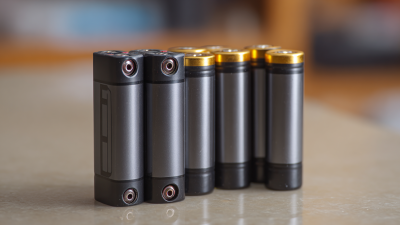
In recent years, the demand for Lifepo4 batteries has surged, driven by their impressive performance and safety features compared to traditional batteries. According to a report by MarketsandMarkets, the global lithium iron phosphate (Lifepo4) battery market is projected to reach USD 11.42 billion by 2025, growing at a CAGR of 16.5%. This rapid growth underscores the need for understanding both the selection and maintenance of Lifepo4 batteries to ensure optimal performance across various applications, from renewable energy storage to electric vehicles.
Dr. Maria Johnson, a renowned expert in battery technology, emphasizes the importance of proper maintenance for Lifepo4 batteries: "Sustaining the longevity and efficiency of Lifepo4 batteries largely hinges on regular monitoring and adherence to best practices." These batteries, known for their long cycle life and thermal stability, can significantly enhance performance when paired with the right charging strategies and conditions. As users transition to this advanced battery technology, it becomes imperative to grasp the essential tips that will help maximize their potential and ensure reliability over time. Through this guide, we aim to provide key insights into the best practices for choosing and maintaining Lifepo4 batteries, paving the way for a more sustainable and efficient energy future.

Understanding Lifepo4 Batteries and Their Advantages
Lithium Iron Phosphate (LiFePO4) batteries have gained significant traction in recent years due to their remarkable performance and safety features. One of their most notable advantages is thermal stability, which greatly reduces the risk of overheating and fire compared to other lithium-ion chemistries. According to a report by the International Renewable Energy Agency (IRENA), LiFePO4 batteries demonstrate a lifespan of up to 10 years and can undergo an impressive 3,000 to 5,000 charge cycles, significantly outperforming traditional lead-acid batteries, which typically range from 200 to 1,500 cycles.
Moreover, LiFePO4 batteries provide a consistent and reliable energy output, maintaining a high discharge capacity even as they approach depletion. This characteristic makes them particularly well-suited for applications ranging from electric vehicles to stationary energy storage systems. Research has shown that their high energy density—approximately 90-120 Wh/kg—allows for more compact and efficient designs, essential for both mobility and space-constrained installations. As the demand for sustainable energy solutions surges, understanding these advantages will be crucial for optimizing the use of LiFePO4 batteries in future applications.
Performance Comparison of LiFePO4 Battery Over Time
This chart illustrates the performance metrics of LiFePO4 batteries in terms of capacity retention, cycle life, and discharge rate over a period of 5 years. The data highlights the advantages of using LiFePO4 batteries for optimal performance.
Key Factors to Consider When Choosing a Lifepo4 Battery
When selecting a Lifepo4 battery, several key factors should be considered to ensure optimal performance and longevity. First, it's essential to evaluate the battery's capacity and voltage requirements based on the intended application. Understanding the power demands of your device or system will help you choose a battery with the right specifications. Additionally, consider the cycle life of the battery, as Lifepo4 batteries are known for their durability and longevity. A battery with a higher cycle life can provide better value over time by reducing the frequency of replacements.
Another crucial aspect is the battery's temperature range. Lifepo4 batteries perform best within specific temperature limits, so it's important to assess the environment where the battery will be used. Extreme temperatures can affect performance, durability, and safety, so choosing a battery that can withstand the conditions of your application is vital. Lastly, check for compatibility with your charging system to ensure efficient charging and discharging processes, which play a vital role in maximizing the battery's lifespan and performance. Consider these factors carefully to make an informed decision when choosing a Lifepo4 battery.
10 Essential Tips for Choosing and Maintaining Lifepo4 Battery for Optimal Performance
| Tip |
Description |
Importance |
Frequency |
| 1. Choose the Right Capacity |
Identify your power needs to select a battery with adequate capacity. |
High |
Before Purchase |
| 2. Check the Cycle Life |
Select batteries with a longer cycle life for better longevity. |
Medium |
Before Purchase |
| 3. Ensure Compatibility |
Make sure the battery is compatible with your device or system. |
High |
Before Purchase |
| 4. Review Safety Features |
Look for batteries with built-in protection against overcharging and overheating. |
High |
Before Purchase |
| 5. Maintain Optimal Charging Practices |
Follow recommended charging protocols for battery health. |
High |
Ongoing |
| 6. Monitor Temperature |
Keep batteries within the recommended temperature range. |
Medium |
Ongoing |
| 7. Conduct Regular Inspections |
Check for any signs of wear or damage periodically. |
High |
Monthly |
| 8. Store Properly |
Store batteries in a cool, dry place when not in use. |
Medium |
Ongoing |
| 9. Update Firmware |
Keep battery management systems up to date, if applicable. |
Low |
As Needed |
| 10. Dispose Responsibly |
Recycle or dispose of batteries according to local regulations. |
High |
As Needed |
Proper Sizing and Capacity Considerations for Your Needs
When choosing a LiFePO4 battery, proper sizing and capacity considerations are crucial for ensuring optimal performance and longevity. Start by assessing your specific energy needs. Calculate the total watt-hours required by your devices to determine the battery capacity that will adequately support your systems. This includes considering both peak and average power demands. If you plan to run multiple devices or utilize them for extended periods, ensure the battery you select comfortably exceeds your total energy requirements to avoid over-discharging, which can significantly shorten the battery's lifespan.
Additionally, consider the operating conditions where the battery will be used. Factors such as temperature can affect the battery's performance and efficiency. Choose a battery capacity that not only meets your current needs but allows for future expansion as your energy requirements grow. It’s vital to balance capacity and size; a larger battery may provide the necessary power but can also lead to unnecessary weight and space constraints. Properly sizing your LiFePO4 battery ensures optimal functionality while maximizing the benefits of this advanced battery technology.
Safe Installation Practices for Lifepo4 Battery Systems
When it comes to installing Lifepo4 battery systems, adhering to safe installation practices is paramount to ensure optimal performance and longevity. According to a report by the Battery Innovation Institute, improper setup is one of the leading causes of battery failures, accounting for nearly 30% of all reported issues. Ensuring that electrical connections are secure and compatible with the battery's specifications is a critical first step. Furthermore, battery storage areas should be well-ventilated to prevent overheating and should avoid locations that expose the batteries to extreme temperatures.
Tip #1: Always inspect the installation location for any potential hazards, such as moisture or excessive heat. This will help in extending the battery's life and efficiency. In addition, employing circuit breakers and fuses can provide an extra layer of protection. According to the International Electrotechnical Commission, proper circuit protection can reduce the risk of electrical fires by up to 40%.
Tip #2: Regular maintenance checks are essential. A study published by the Journal of Energy Storage indicates that routine inspections can improve lifecycle longevity by up to 25%. This includes checking terminals for corrosion, ensuring proper torque specifications, and confirming that battery management systems are functioning correctly. A proactive maintenance approach not only ensures safety but also enhances the overall performance of Lifepo4 batteries.
Essential Maintenance Tips for Lifepo4 Battery Longevity
When it comes to maximizing the lifespan of a LiFePO4 battery, proper maintenance is crucial. One of the most essential practices is to maintain the correct charging routine. Charging your battery to around 80-90% instead of a full charge can significantly prolong its life. Additionally, using a quality charger that is specifically designed for LiFePO4 batteries can prevent overcharging, which can lead to overheating and reduce the battery's overall efficiency. Avoid discharging the battery below the recommended threshold, as deep discharges can also negatively impact capacity, resulting in diminished performance.
Another vital aspect of liFePO4 battery maintenance is ensuring optimal storage conditions. If the battery isn't going to be used for an extended period, store it in a cool, dry place to avoid temperature extremes that can cause wear and tear. It’s advisable to check the battery's state of charge (SOC) regularly and charge it to about 50% if it is to be stored long-term. Regular maintenance checks, such as monitoring connections and ensuring that terminals are clean and corrosion-free, can also prevent unexpected failures and enhance performance, ensuring your battery operates efficiently throughout its life.
Monitoring Performance and Health of Lifepo4 Batteries
Monitoring the performance and health of LiFePO4 batteries is crucial for ensuring their longevity and reliability. Regular assessments can help identify issues before they escalate, maintaining optimal performance and safety. One effective method of monitoring is to track the battery voltage and current regularly. This can help detect any abnormal fluctuations that might suggest a failing cell or internal short circuit, allowing for timely intervention. Utilizing a battery management system (BMS) can streamline this process, providing real-time data and alerts concerning the battery's performance.
Additionally, temperature control plays a vital role in the health of LiFePO4 batteries. Operating these batteries within their specified temperature range enhances safety and efficiency. Frequent checks on ambient and operational temperatures can help prevent overheating, which is detrimental to battery life. It's also essential to periodically inspect the connections and terminals for signs of corrosion or wear, as these can impact the battery's performance. By maintaining vigilant monitoring practices, users can ensure that their LiFePO4 batteries provide reliable power over their intended lifespan.
Troubleshooting Common Issues with Lifepo4 Batteries
When maintaining Lifepo4 batteries, it is essential to be aware of common issues that can arise during their use. One frequent problem users encounter is imbalanced cells, which can lead to reduced performance and shorter lifespan. This imbalance often occurs when batteries are charged or discharged unevenly. Regularly checking the voltage of individual cells and using a battery management system can help prevent this issue. If an imbalance is detected, rebalancing the cells may involve carefully adjusting the charge levels or using a specialized charger that addresses cell discrepancies.
Another common issue is overheating during charging or discharging. Overheating can be caused by external factors, such as high ambient temperatures, or internal factors, such as excessive current draw. To mitigate this problem, ensure that the battery is located in a well-ventilated area and that the charging current is set appropriately for the battery’s specifications. If overheating persists, it may indicate a fault in the battery or the charging system, in which case immediate disconnection and professional inspection are advisable. By being proactive about these potential issues, users can enhance the reliability and longevity of their Lifepo4 batteries.
FAQS
: Start by assessing your specific energy needs. Calculate the total watt-hours required by your devices and consider both peak and average power demands. Ensure the battery capacity exceeds your total energy requirements to avoid over-discharging.
Consider the operating conditions, such as temperature, and ensure the battery capacity meets your current needs while allowing for future expansion. Balance capacity and size to avoid unnecessary weight and space constraints.
It is advisable to charge your battery to around 80-90% instead of a full charge to prolong its lifespan. Using a quality charger specifically designed for LiFePO4 batteries can prevent overcharging.
Avoid discharging the battery below the recommended threshold, as deep discharges can negatively impact its capacity and performance.
Store the battery in a cool, dry place to avoid temperature extremes. If storing long-term, check the state of charge regularly and charge it to about 50%.
Regular maintenance checks should be performed, including monitoring connections and ensuring terminals are clean and corrosion-free, to prevent unexpected failures and enhance performance.
Temperature can significantly affect the battery's performance and efficiency, so consider the operating conditions when selecting a battery.
Choosing a battery that comfortably exceeds your energy requirements helps avoid over-discharging, which can significantly shorten the battery's lifespan.
Yes, while a larger battery may provide the necessary power, it can also lead to unnecessary weight and space constraints, so it’s important to balance capacity and size.
Monitor the battery's state of charge, check the connections, and ensure proper maintenance practices are being followed to enhance performance and longevity.
Conclusion
The article "10 Essential Tips for Choosing and Maintaining Lifepo4 Battery for Optimal Performance" provides valuable insights into maximizing the performance and lifespan of Lifepo4 batteries. It begins by explaining the unique advantages of these batteries, such as their longevity and safety features. Readers are guided through key factors to consider when selecting a Lifepo4 battery, ensuring they choose the right size and capacity to meet their specific needs.
Additionally, the article covers safe installation practices to prevent hazards and discusses vital maintenance tips to enhance the longevity of Lifepo4 batteries. Monitoring performance and health is emphasized, enabling users to identify issues early. Finally, common troubleshooting techniques are provided to help users resolve typical problems, ensuring their Lifepo4 batteries operate efficiently for years to come.


 business@roofer.cn
 +86 13502883088