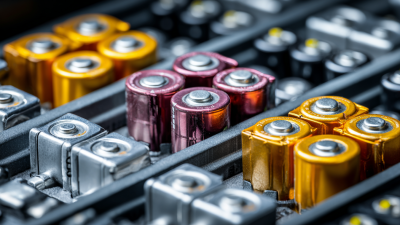
As more folks start really caring about sustainable energy options, Ion Battery Lithium has become a key player in the game. I mean, Dr. Emily Thompson from GreenTech Innovations put it pretty well when she said, 'The future of energy storage pretty much depends on how much we can improve lithium-ion battery technology.' That line just highlights how crucial these batteries are if we're serious about finding better, more efficient ways to store energy.
If you're looking into this tech, it’s good to get a handle on what Ion Battery Lithium is all about. They’re not just for electric cars—you’ll find them everywhere, from renewable energy setups to portable gadgets. Their power to store and give back energy reliably really sets them apart. But hey, it's also worth remembering that this stuff is always changing. The tech isn’t perfect yet, and there are some hurdles still to jump.
For instance, sourcing the raw materials and recycling old batteries are pretty big deals right now. The companies working in this space are trying to get better at it, but it’s something we all need to stay aware of. Being informed not only helps us make smarter choices but also pushes the whole industry towards being more sustainable. Ultimately, it’s about making sure we’re doing our part for a greener future—one battery at a time.
Lithium-ion batteries are essential for modern energy needs. They power everything from smartphones to electric vehicles. Understanding their role is crucial for consumers. A report from the International Energy Agency (IEA) indicates that electric vehicle sales surged by 40% in 2021 alone, highlighting the increasing reliance on lithium-ion technology.
These batteries utilize lithium salts in their electrolyte. This composition allows for higher energy density than traditional batteries. For buyers, this means longer usage times and quicker recharging. According to a recent study, lithium-ion batteries account for over 85% of the global battery market as of 2023. This growing market is projected to reach $100 billion by 2028, emphasizing their significance in renewable energy solutions.
Tips: Check battery specifications before purchasing. Make sure the energy density meets your needs. Also, consider lifecycle costs, as higher quality batteries can save money over time. Remember, not all lithium-ion batteries are created equal. Always seek reliable sources for information.
Lithium-ion batteries are pivotal in today's energy landscape.
These batteries power everything from smartphones to electric vehicles.
Key components include the anode, cathode,
electrolyte, and separator.
The most common anode material is graphite, while the cathode often comprises lithium metal oxides.
According to a recent market report, the global lithium-ion battery market is expected to grow from
$45 billion in 2020 to around $104 billion by 2027,
illustrating their importance.
The chemistry of lithium-ion batteries is fascinating yet complex. During discharge, lithium ions move from
the anode to the cathode, creating an electric current. The complexity comes from the materials used. Not every
lithium-ion battery is equal. Variations in the electrode materials can lead to disparate performance outcomes.
For instance, nickel-rich cathodes can increase capacity but may also raise safety concerns.
Current challenges include thermal runaway risks and recycling issues. The life cycle of these
batteries is still under scrutiny. Some batteries degrade faster than expected, diminishing their value. The quest for
longer-lasting, safer, and more sustainable solutions is ongoing. Buyers should consider these factors when investing
in lithium-ion technology, balancing potential benefits with inherent risks.
The demand for lithium-ion batteries is rapidly increasing. This growth is driven by various sectors, including electric vehicles and renewable energy. According to recent statistics, the global market for lithium-ion batteries is projected to expand significantly over the next few years. This upward trend reveals a strong consumer interest in sustainable energy solutions.
However, potential buyers should consider key factors before making a purchase. Understanding battery lifespan and charging capabilities can significantly influence overall satisfaction. Buyers often overlook the importance of these details, leading to unfortunate choices. Comprehensive research is crucial to avoid regrets later on.
TIP: Always verify the product specifications. Compare different options to ensure you get a battery that meets your needs.
Moreover, market fluctuations can affect prices. Awareness of market trends helps buyers make informed decisions. It is easy to get swayed by attractive deals, but a deeper understanding is vital. Maintaining a focus on quality over price can yield long-term benefits.
TIP: Look for expert reviews and insights. They provide valuable guidance that can save you from poor purchases.
Lithium-ion batteries have transformed the landscape of consumer electronics. They provide portable power for smartphones, tablets, and laptops. The lightweight nature and high energy density make them ideal for devices that require efficiency and convenience. These batteries can charge quickly and maintain performance over numerous cycles.
However, it's essential to consider battery care. Overcharging can lead to reduced lifespan. Keeping devices at room temperature helps to avoid overheating. Regularly using your device can also extend battery life.
Batteries in consumer electronics are not just useful; they also set standards for sustainability. Many manufacturers seek to improve recycling methods. Responsible disposal ensures fewer batteries end up in landfills. Innovations in chemistry and design may reshape future applications.
Demands for longer-lasting batteries continue to rise. Several consumers may find themselves facing issues with older batteries that do not hold a charge. Upgrading can often be beneficial, but always research before making a decision.
The environmental impact of lithium-ion batteries is a growing concern. As demand for these batteries increases, so does the need for sustainable practices. Recycling lithium-ion batteries helps reduce waste and conserve natural resources. However, the recycling process is complex. Not all batteries are recycled properly, leading to potential environmental hazards.
Sustainability is not just a buzzword; it requires action. Many materials used in lithium-ion batteries are finite. This creates a need for responsible sourcing and recycling. Projects focusing on innovation in recycling technologies could offer solutions. Effective recycling processes can recover valuable materials, but they are currently not widely adopted. There is room for improvement in creating a robust recycling infrastructure.
Consumer awareness also plays a crucial role. Buyers should consider the lifecycle of their batteries. They should look for companies that prioritize sustainable practices. Informed choices can drive demand for eco-friendly solutions. It is essential to address this challenge collaboratively, involving manufacturers, consumers, and policymakers. A collective effort can elevate the importance of recycling and sustainability in the lithium-ion battery market.
When selecting lithium-ion batteries, several factors come into play. Battery capacity is crucial. This capacity, measured in amp-hours (Ah), determines how long the battery can power devices. A higher capacity often means more weight and size. Buyers should balance these aspects according to their needs.
Another important factor is the battery's lifecycle. This refers to how many charge-discharge cycles a battery can undergo before its performance degrades significantly. A longer lifecycle generally results in better value. However, these batteries can be costly. Price often reflects quality, but not always. Research is vital.
Safety features must not be overlooked. Lithium-ion batteries can pose risks if mishandled. Overcharging or physical damage can create hazards. Look for batteries with built-in safety mechanisms. Certifications and standards also indicate reliability. Remember, choosing a battery is not just about the specs; it requires careful consideration of multiple aspects.
| Factor | Description | Importance | Average Lifespan (Years) |
|---|---|---|---|
| Energy Density | Amount of energy stored per unit volume or weight. | Higher energy density means longer usage times between charges. | 8-15 |
| Cycle Life | Number of complete charge/discharge cycles before capacity significantly diminishes. | Determines longevity and cost-effectiveness over time. | 500-1500 |
| Charge Time | Time required to fully charge the battery. | Shorter charge times improve convenience and usability. | 1-4 hours |
| Safety | Risk of overheating, leakage, and explosions under certain conditions. | Ensures safe use in devices and applications. | N/A |
| Cost | Price per kilowatt-hour or per battery unit. | Affects overall project budget and affordability. | N/A |
Innovations in lithium-ion battery technology are driving significant changes in various sectors. As of 2023, the global market for lithium-ion batteries is expected to grow by 20% annually. This growth highlights the increasing demand for more efficient energy storage solutions. Emerging technologies, such as solid-state batteries, show promise in enhancing safety and energy density.
Solid-state batteries can potentially double the energy capacity while reducing the risk of fires associated with traditional lithium-ion designs. This innovation is crucial as researchers anticipate that by 2030, electric vehicle (EV) sales will increase to 30 million units per year, further fueling the need for advanced batteries. Additionally, improvements in recycling processes are being developed, aiming for a 90% recovery rate of materials by 2040.
However, challenges remain. Current lithium extraction methods can cause environmental damage. The industry must rethink sustainable practices to mitigate these impacts. Moreover, the adoption of new technologies is often hindered by high manufacturing costs. Maintaining balance between progress and environmental responsibility is essential. As consumers become more conscious of sustainability, innovations that prioritize eco-friendliness will be pivotal in shaping future trends in lithium-ion batteries.
In today's energy-conscious world, maximizing energy efficiency is more crucial than ever. The 12V 100Ah lithium deep cycle battery is engineered to meet diverse energy needs, boasting an IP65 protection rating that ensures durability in various environments. This level of protection means that it is resistant to dust ingress and can withstand low-pressure water jets, making it suitable for outdoor and marine applications. By choosing a battery designed for resilience, users can optimize their energy utilization for solar power systems, recreational vehicles, and boats with confidence.
Lithium-ion batteries, particularly LiFePO4 variants, are becoming the go-to choice for energy storage. According to industry reports, lithium batteries deliver up to 90-95% depth of discharge, enabling users to utilize more energy as needed compared to traditional lead-acid batteries, which typically allow up to 50-60% depth of discharge. This high-efficiency capability is particularly beneficial for renewable energy applications, where maximizing every watt from solar panels is essential for long-term cost savings. Additionally, lithium batteries offer faster charging times and a greater number of discharge cycles—up to 10 times more than lead-acid batteries—which translates into reduced downtime and better performance in critical situations.
For those looking to make the most of their investments in solar technology, the right battery choice is paramount. The 12V 100Ah lithium deep cycle battery stands out with its lightweight design, ease of installation, and safety features. With increasing reliance on sustainable energy, switching to high-efficiency batteries not only enhances performance but also contributes significantly to a greener future, aligning with global efforts to reduce carbon footprints and dependence on fossil fuels.
: The environmental impact is significant, with increasing demand leading to more waste and resource depletion.
Recycling reduces waste, conserves resources, and minimizes environmental hazards associated with improper disposal.
No, many batteries are not recycled properly, creating potential environmental risks and inefficiencies.
Buyers should focus on battery capacity, lifecycle, safety features, and overall value when making their decision.
Higher capacity means longer usage time but can add weight and size; finding balance is key.
Lifecycle refers to the number of charge-discharge cycles the battery can endure before performance declines.
Lithium-ion batteries can be hazardous if mishandled, with risks like overcharging and physical damage.
Not necessarily; price may reflect quality, but extensive research is important to ensure reliability.
By being informed and choosing companies that prioritize eco-friendly practices, consumers can impact the market.
There is a need for better recycling infrastructure and more innovative technologies to enhance recovery processes.
The article "What is Ion Battery Lithium and Why It Matters for Buyers?" delves into the fundamental aspects of Ion Battery Lithium, explaining its definition and basic principles. It covers key components and the chemistry that underpin these batteries, highlighting the growing market demand and statistical insights that reflect their significance in consumer electronics. As applications for Lithium Ion Batteries expand, the article also addresses the environmental impact, emphasizing the importance of recycling and sustainability in battery disposal.
Furthermore, it outlines critical factors buyers should consider when selecting Ion Battery Lithium, such as capacity, longevity, and safety characteristics. Lastly, the article anticipates future trends and innovations in Lithium Ion Battery technology, positioning it as a vital area for continued research and development. Overall, understanding Ion Battery Lithium is crucial for consumers and industries alike, given its integral role in powering modern devices and the strides being made toward more sustainable practices.


business@roofer.cn
+86 13502883088