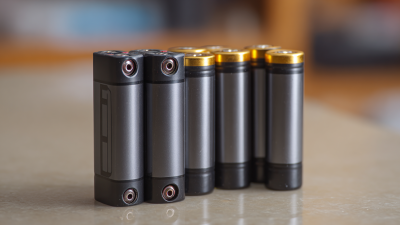
Lithium-ion batteries have really changed the game when it comes to energy storage around the world. You see them in all sorts of industries—it’s no wonder they’re so popular with buyers everywhere. Companies like Tesla and Panasonic are really pushing the envelope here, showing just how reliable and innovative these batteries can be.
Honestly, the energy density these batteries pack is pretty impressive. They store a lot of power in a small, lightweight package—perfect for electric cars and portable gadgets. That means longer usage times and fewer charging stops, which is pretty convenient if you ask me. Plus, since they’re lighter, transportation costs go down—a win for manufacturers, for sure.
But hey, it’s not all smooth sailing. Battery life can vary from one unit to another, and the way we get rid of old batteries isn’t exactly straightforward. Still, with ongoing advancements in Lithium-ion tech, things are only getting better and more sustainable. When choosing these batteries, it’s a good idea for buyers to think about these factors—so they can make smarter, more informed choices that match their energy needs.

Advantages of Lithium Ion Batteries Over Traditional Battery Types
Lithium-ion batteries offer distinct advantages over traditional battery types. They provide higher energy density. This means they can store more energy in a smaller space. For consumers and manufacturers, this results in lightweight devices that last longer between charges. Additionally, their lower self-discharge rates ensure that devices remain charged longer while not in use.
Another aspect is the improved cycle life of lithium-ion batteries. They can typically endure more charge and discharge cycles than their counterparts, which means fewer replacements are necessary. This can lead to lower costs in the long run, despite the initial price being higher.
Moreover, lithium-ion batteries have a range of applications. They power everything from electronics to electric vehicles, showcasing their versatility.
However, there are important considerations. Safety concerns exist, with risks of overheating and potential fires if damaged. Further research into battery recycling is essential, as the environmental impact cannot be overlooked. As we embrace these technologies, addressing these issues becomes critical for sustainable progress.
Cost-Effectiveness of Lithium Ion Batteries for Global Consumers
Lithium-ion batteries have become a cornerstone in the modern technological landscape. Their cost-effectiveness is a primary reason for their adoption by global consumers. A report by the International Energy Agency (IEA) highlighted that the price of lithium-ion batteries has dropped by 89% since 2010. This decline significantly impacts various industries, from consumer electronics to electric vehicles.
For consumers, lower costs mean more accessible technology. The declining price allows for innovations that were previously too expensive. For example, electric vehicles are now affordable for many. A study from BloombergNEF predicts that battery prices will continue to fall, reaching an average of $100 per kilowatt-hour by 2023. This figure is vital for individuals and companies considering substantial investments in energy solutions.
**Tip:** Always assess the long-term value of lithium-ion batteries. While initial costs may seem significant, their efficiency and longevity are crucial.
Sustainability is also a driving economic factor. With global mandates to reduce carbon emissions, lithium-ion batteries present a cost-effective strategy to meet green energy goals. However, consumers should consider the potential environmental impacts associated with battery production and disposal. Balancing cost and sustainability is essential for making informed choices.
**Tip:** Research lifecycle impacts before purchasing. Understanding the full environmental cost can guide better decisions.
Extended Lifespan of Lithium Ion Batteries Compared to Alternatives
Lithium-ion batteries have gained prominence due to their extended lifespan compared to traditional alternatives. Research indicates that these batteries can endure over 2,000 charge cycles. In contrast, lead-acid batteries generally last only about 300 to 500 cycles. This longevity translates to lower replacement costs and less frequent waste generation.
Another significant aspect is their efficiency. Lithium-ion batteries operate at around 90-95% energy efficiency. This high efficiency means shorter charging times and prolonged use between charges. However, it's essential to consider factors like temperature and charging habits, which can impact lifespan. For example, frequent exposure to extreme heat might reduce the battery's overall life expectancy.
Moreover, while they offer many benefits, lithium-ion batteries also present challenges. They can degrade faster if not properly managed. Potential issues can stem from improper charging methods or suboptimal storage conditions. Buyers should learn about maintenance and suitable usage to maximize their lifespan. Understanding both the benefits and potential pitfalls is crucial for anyone looking to invest in these advanced energy solutions.
Top 10 Benefits of Lithium Ion Batteries for Global Buyers
| Benefit |
Description |
Lifespan Comparison (Years) |
Environmental Impact |
| Extended Lifespan |
Lithium ion batteries can last up to 10 years, significantly longer than lead-acid batteries. |
8-10 |
Lower environmental impact if recycled properly. |
| Lightweight |
Lithium ion batteries are much lighter than lead-acid alternatives. |
N/A |
Less material uses, reducing overall footprint. |
| Fast Charging |
Can be charged quicker than traditional battery types. |
N/A |
Encourages efficient energy use. |
| High Energy Density |
Stores more energy per weight than other batteries. |
N/A |
Maximizes resources for energy needs. |
| Low Self-Discharge Rate |
Holds charge for longer when not in use. |
N/A |
Reduces energy waste. |
| Wider Operating Temperature Range |
Functions effectively in extreme temperatures. |
N/A |
Adapts to various environments with minimal impact. |
| Scalability |
Different sizes and formats for various applications. |
N/A |
Optimizes usage across multiple sectors. |
| No Memory Effect |
Does not lose capacity when partially charged. |
N/A |
Facilitates better battery maintenance. |
| Low Maintenance |
Requires minimal upkeep compared to lead-acid batteries. |
N/A |
Contributes to resource efficiency. |
| Safety Features |
Includes built-in safety mechanisms to prevent overheating. |
N/A |
Improves consumer trust in technology. |
High Energy Density and Its Impact on Device Performance
Lithium-ion batteries stand out due to their high energy density. This characteristic is crucial for many modern devices. A compact battery can store significant energy while keeping the overall weight low. For consumers, this means longer usage times and less frequent recharging. Lighter devices are also easier to carry, enhancing user experience.
However, high energy density can come with challenges. Safety concerns, such as overheating or degradation, sometimes arise. Users must be aware of these risks. Proper charging and storage practices can mitigate issues. As devices become more powerful, maintaining battery integrity is vital for performance. Innovating in battery technology often means balancing energy density with safety.
The impact of high energy density is evident in smartphones and laptops. These devices can run demanding applications without draining rapidly. Users benefit from prolonged battery life, but they should keep an eye on battery health. Awareness of usage patterns can guide smarter decisions regarding device care. The journey of lithium-ion technology is ongoing, with room for improvement in safety and efficiency.
Enhanced Charging Speed of Lithium Ion Batteries Explained
Lithium-ion batteries have significantly improved charging speed, which is essential in today's fast-paced world. These batteries can charge up to 80% in just 30 minutes. This efficiency makes them ideal for various applications, from smartphones to electric vehicles. With the rising demand for rapid energy replenishment, enhanced charging capabilities become crucial.
While the speed is impressive, charging conditions can affect performance. Factors like temperature and battery age influence charging time. For instance, higher temperatures can degrade battery health. It’s essential to monitor these factors to maintain efficiency. Users should be aware that not all chargers deliver the same results. Low-quality chargers can slow performance and impact battery life.
Users also appreciate the convenience of fast charging. It allows for quick top-ups during busy days. However, this speed comes with challenges. Some might neglect proper care, leading to premature wear. Striking a balance between speed and maintenance is vital for longevity. Understanding the nuances of charging can enhance the overall experience.
Environmental Benefits and Recycling of Lithium Ion Batteries
Lithium-ion batteries are increasingly recognized for their environmental benefits. They are more efficient than traditional batteries, meaning they require fewer resources to produce energy. This efficiency translates to lower greenhouse gas emissions during production. Plus, lithium-ion batteries have a longer lifespan, reducing the need for frequent replacements. This longevity minimizes waste and conserves materials.
Recycling lithium-ion batteries poses unique challenges but offers significant rewards. They contain valuable materials like lithium, cobalt, and nickel. Extracting these metals through recycling lowers the demand for new mining. However, the recycling process can be complicated and costly. Many facilities are still developing methods to improve efficiency in recycling operations. Greater investment in technology can enhance these processes.
Furthermore, not all batteries are recycled properly. Misguided disposal leads to environmental hazards. Some chemicals can seep into the soil and water systems, causing pollution. Awareness and education about proper disposal and recycling are crucial. Encouraging consumers to return old batteries to dedicated facilities can greatly improve overall outcomes. Better systems and practices must be established to ensure a sustainable future.
Top 10 Benefits of Lithium Ion Batteries for Global Buyers
Safety Features and Innovation in Lithium Ion Battery Technology
Lithium-ion batteries have transformed energy storage and power solutions around the globe. Their safety features are paramount, addressing common concerns about battery usage. Advanced technologies reduce the risks of overheating and fires, providing peace of mind for users. Integrated systems monitor temperature and voltage, ensuring batteries operate within safe limits. Even with these innovations, challenges remain. Some consumers still worry about battery longevity and potential failures.
Innovation in lithium-ion technology continues to grow. New designs incorporate better materials that enhance battery life and charging speeds. Solid-state batteries, for example, present a safer option by using solid electrolytes. These advancements address previous vulnerabilities while pushing the boundaries of energy density. Education on proper usage is crucial, as even the safest batteries require careful handling. Users should be aware of best practices to maximize performance and lifespan.
Despite advancements, industry professionals recognize the need for ongoing research and development. Enhancements in recycling processes are needed to lessen environmental impact. Striking a balance between cutting-edge technology and sustainable practices is essential. While the future of lithium-ion batteries looks promising, continuous improvement is vital for widespread acceptance among consumers.
Maximizing Performance and Longevity: A Comprehensive Guide to 36V Lithium Batteries for Golf Carts
When it comes to maximizing performance and longevity in golf carts, selecting the right battery is crucial. A 36V lithium battery, specifically designed for such applications, offers a multitude of advantages. One standout option in this category is engineered to provide exceptional power while ensuring safety standards are met. The advanced technology behind these batteries results in remarkably high energy density, allowing golf carts to operate for extended periods without the need for frequent recharging.
In addition to performance, these batteries are designed with user convenience in mind. They require minimal maintenance, which is a significant factor for users who prefer a hassle-free experience. Their compact size and modular design not only reduce the overall weight but also simplify the checking process. This versatility enables the batteries to adapt to various types of machinery beyond golf carts, making them an excellent investment for those looking to enhance their equipment's efficiency. With a high return on investment, opting for a quality 36V lithium battery ensures that you can optimize your golf cart's performance while enjoying longer usage times without compromising safety.
FAQS
: High energy density means batteries store significant energy in a compact size. It reduces weight and enhances device usage.
It allows longer usage times and less frequent recharging. This convenience makes devices easier to carry and use.
Risks include overheating and degradation. Users must recognize these hazards to ensure safe use and storage.
Following proper charging and storage practices helps minimize risks. It's crucial to be informed about best practices.
New designs use advanced materials and solid-state options to improve safety and charging speeds. This addresses past vulnerabilities.
Awareness of usage patterns and proper handling can extend battery lifespan. Consistent care is essential for optimal performance.
Concerns about battery longevity and potential failures persist. Continuous research and development are crucial for addressing these issues.
Educating users about safe practices is vital. Even advanced batteries need careful handling to ensure longevity and safety.
Enhancements in recycling are necessary to reduce environmental impact. Striking a balance between technology and sustainability is essential.
While advancements are promising, ongoing improvement is crucial for consumer acceptance and safety in usage.
Conclusion
Lithium-Ion Batteries have emerged as a favored choice for global consumers, primarily due to their numerous advantages over traditional battery types. One of the key benefits is their cost-effectiveness, as they often provide a higher energy return on investment. Additionally, Lithium-Ion Batteries boast an extended lifespan, significantly outpacing their competitors, which translates into reduced replacement costs over time.
Furthermore, these batteries are known for their high energy density, allowing devices to perform better without the need for frequent recharging. The enhanced charging speed is another considerable advantage, enabling quicker turnaround times for use. Environmentally, Lithium-Ion Batteries offer recycling benefits and innovations in safety features, which contribute to a greener and safer future in technology. Overall, the comprehensive benefits of Lithium-Ion Batteries position them as a superior choice in the battery market.


 business@roofer.cn
 +86 13502883088