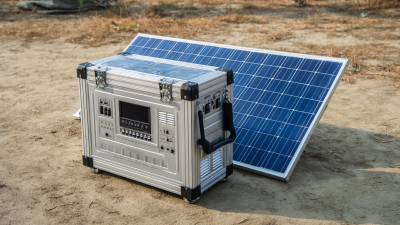
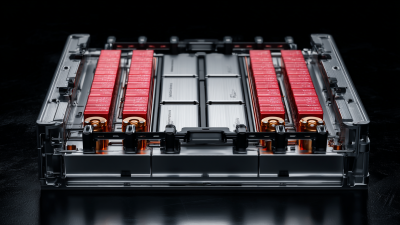
As the world shifts toward renewable energy, the role of Energy Storage Systems becomes crucial. These systems help balance supply and demand. They store excess energy generated during peak times and release it when needed. Companies like Tesla and LG Chem are leading in this space, offering innovative solutions.
However, the landscape is not without challenges. The technology is still evolving. Costs remain a concern for widespread adoption. Some systems may not meet specific regional needs, leaving gaps. Industries must continuously assess the effectiveness of these Energy Storage Systems.
Exploring diverse solutions can foster a sustainable future. Yet, innovation cannot be rushed. It requires careful planning and consideration of various factors, including environmental impacts. Overall, Energy Storage Systems present potential, but the journey is complex and demands ongoing reflection and adaptation.
Overview of Energy Storage Systems and Their Importance
Energy storage systems (ESS) are crucial for a sustainable energy future. They help balance supply and demand, especially with intermittent renewable sources. According to a report by the International Renewable Energy Agency (IRENA), energy storage capacity could grow to 1,200 gigawatts by 2030. This growth represents a significant shift toward cleaner energy solutions.
Batteries, pumped hydro, and compressed air systems are common forms of energy storage. Each has its advantages and challenges. For instance, lithium-ion batteries offer high efficiency, but their environmental impact is a concern. A study indicated that battery production can generate 150 kg of CO2 per kWh, prompting a need for better recycling methods. On the other hand, pumped hydro provides large-scale storage but requires specific geographical conditions, limiting its implementation.
The importance of energy storage cannot be overstated. It enhances grid reliability and allows for greater integration of solar and wind power. However, many regions still struggle with outdated grid infrastructure, hindering optimal storage use. We need to address these issues while pursuing growth in the energy storage sector. With ongoing technological advancements, the future of energy storage systems looks promising, yet challenges remain to be tackled.
Types of Energy Storage Systems: Batteries, Thermal, and Mechanical
Energy storage systems are essential for a sustainable future. They help manage demand and integrate renewable energy sources. Three primary types of energy storage systems are batteries, thermal storage, and mechanical storage.
Batteries are widely used. A recent industry report indicated that battery storage capacity doubled in the last five years. Lithium-ion batteries dominate this market. However, they have limitations. Environmental concerns arise from mining materials for batteries. Recycling remains a challenge, too.
Thermal energy storage stores heat rather than electricity. It can shift energy usage. According to research, this technology could reduce peak demand by up to 30%. Mechanical energy storage, like pumped hydro, is established but location-dependent. Space constraints limit its adoption. Each option presents unique benefits and challenges. Balancing efficiency and sustainability is crucial for future progress.
Top Energy Storage System Solutions for a Sustainable Future
Key Technologies Driving Advances in Energy Storage Solutions
The energy landscape is rapidly changing. Key technologies are enhancing energy storage solutions, contributing to a sustainable future. Lithium-ion batteries lead the charge, holding over 90% of the market share. Their capacity and efficiency have improved drastically, making them a preferred choice for electric vehicles and renewable energy integration.
Flow batteries are emerging as a strong contender. They offer long cycle life and scalable energy capacity. According to a recent report by BloombergNEF, global energy storage capacity could reach 1,000 GW by 2040. This growth is pivotal for intermittent sources like solar and wind.
Tip: Consider investing in energy storage to mitigate grid dependence. Exploring alternatives like solid-state batteries could provide enhanced safety and stability. More importantly, ongoing research into emerging technologies is crucial. It’s essential to remain cautious about the ecological impacts of battery production and disposal. This balance will shape a truly sustainable future.
Comparative Analysis of Energy Storage Technologies and Their Benefits
Energy storage technologies play a crucial role in achieving a sustainable future. As renewable energy sources grow, efficient storage systems become essential. According to a report by the International Renewable Energy Agency (IRENA), energy storage capacity is expected to reach 600 GW by 2030. This growth highlights the urgency for innovative solutions.
Battery technologies dominate the market, especially lithium-ion systems. They offer high energy density and long life cycles. However, their reliance on scarce materials raises concerns. A recent analysis indicates that nearly 70% of lithium-ion battery components are sourced from a limited number of countries. This raises supply chain vulnerabilities, prompting a search for alternatives.
Emerging solutions like flow batteries and solid-state technologies present promising options. Flow batteries, for instance, provide longer storage duration and use abundant materials. Solid-state designs enhance safety and energy density. Yet, these technologies still face challenges in scalability and cost.
Balancing performance and sustainability remains a critical task for industry stakeholders. As the demand for clean energy escalates, addressing these issues will be vital for a truly sustainable energy landscape.
Integration of Energy Storage with Renewable Energy Sources
Energy storage plays a crucial role in integrating renewable energy sources. As we shift towards a sustainable future, efficient storage solutions are needed. Solar and wind energies are abundant but variable. This inconsistency can lead to surplus energy during peak times and shortages during low production periods.
Batteries and other storage technologies can help bridge this gap. They can store excess energy generated during sunny or windy days. This stored energy can be released when production dips. However, current technologies still face challenges. Energy losses during storage can reduce overall efficiency. Also, the environmental impact of battery production cannot be overlooked.
Innovative solutions must focus on sustainability and efficiency. Research into new materials could enhance battery performance. Moreover, integrating artificial intelligence can optimize energy usage. However, infrastructure and investment are often slow to progress. There's a crucial need to reflect on these hurdles if we seek a truly sustainable future.
Challenges and Opportunities in Energy Storage Deployment
Energy storage is a critical part of the clean energy transition. Yet, many challenges linger in its deployment. According to a recent report from the International Renewable Energy Agency (IRENA), energy storage capacity could grow by 80% by 2025. However, this growth is contingent on overcoming barriers like high costs and regulatory hurdles.
The integration of storage technologies into existing energy systems is complex. Many systems rely on outdated infrastructure. This situation can slow the implementation of innovative storage solutions. Additionally, the lack of standardization in technology further complicates the landscape. Industry experts estimate that up to 75% of energy storage projects face delays due to these regulatory challenges.
Despite these obstacles, opportunities abound. The global energy storage market is projected to reach $620 billion by 2030. Such growth presents significant potential for investment and development. However, these advances must focus on addressing the technical and logistical problems that persist. Effective collaboration among stakeholders will be crucial for realizing the full potential of energy storage’s role in a sustainable future.
Future Trends in Energy Storage for a Sustainable Future
Energy storage systems are crucial for a sustainable future. As we shift towards renewable energy, innovative solutions are emerging. Battery technology continues to evolve, with options like lithium-ion, solid-state, and flow batteries gaining attention. These advancements aim to enhance efficiency and extend lifecycle.
Future trends indicate a shift towards decentralized energy storage. Homeowners are exploring solar panels with integrated storage systems. These installations reduce reliance on the grid. However, the initial costs can be daunting. Many still question the economic feasibility of these systems. Improved recycling methods for batteries are imperative too. Environmental concerns linger about battery waste and resource extraction.
Another exciting trend is the development of hydrogen storage solutions. Hydrogen can be generated from excess renewable energy and stored for later use. Yet, there are challenges to address. Infrastructure limitations pose significant barriers. Additionally, public understanding of hydrogen's potential is still limited. These imperfections and uncertainties are part of the ongoing dialogue. As energy storage systems advance, careful consideration of their impacts is essential.
Top Energy Storage System Solutions for a Sustainable Future
| Energy Storage Type |
Energy Capacity (MWh) |
Discharge Time (Hours) |
Cycle Life (Cycles) |
Application |
| Lithium-Ion Battery |
100 |
4 |
5000 |
Grid Storage, Electric Vehicles |
| Flow Battery |
50 |
8 |
10000 |
Renewable Energy Integration |
| Nickel-Cadmium Battery |
20 |
2 |
2000 |
Backup Power Systems |
| Supercapacitor |
10 |
0.5 |
1000000 |
Rapid Power Delivery |
| Pumped Hydro Storage |
1000 |
10 |
30000 |
Large Scale Energy Storage |
FAQS
: This service aims to provide users with helpful information and guidance on various topics.
You can access the service online through a simple registration process.
The service is free to use, but some features may require a payment.
Topics range from health and wellness to technology and lifestyle advice.
Yes, but data handling practices focus on user privacy and security.
Yes, the service offers real-time feedback for most inquiries.
While most information is reliable, users should verify critical details independently.
You can report problems through the help option available in the service.
The service might not cover complex topics in depth, and some answers could feel vague.
This service focuses on user-friendly navigation and quick responses. However, it may lack detailed analyses.
Conclusion
Energy Storage Systems (ESS) play a crucial role in achieving a sustainable future by enabling the effective integration of renewable energy sources and enhancing grid stability. This article provides an overview of various types of ESS, including batteries, thermal storage, and mechanical systems, each offering unique advantages tailored to specific applications. Key technologies driving innovation in this field are examined, highlighting their potential to improve efficiency and cost-effectiveness.
Furthermore, the article presents a comparative analysis of different energy storage technologies, discussing their benefits and potential challenges. It emphasizes the importance of ESS in addressing intermittency issues associated with renewable energy, thereby paving the way for a more resilient energy infrastructure. As the demand for cleaner energy solutions grows, understanding future trends in energy storage will be essential for stakeholders aiming to capitalize on the opportunities presented in this evolving landscape.


 business@roofer.cn
 +86 13502883088