As we get closer to 2026, there’s definitely been a surge in demand for smarter, more efficient Power Station solutions around the world. It’s no secret — buyers are facing bigger challenges than ever. They’re really looking for energy sources they can count on, ones that also support sustainability goals that matter to everyone these days. Big companies like Siemens, General Electric, and ABB are really stepping up with some fantastic innovations, especially in renewable energy and energy storage. Their expertise in these areas is pretty impressive.
The world of Power Stations is changing fast — new players keep popping up, offering all kinds of options. But here’s the thing: not every solution is reliable or worth your time. It's really important for buyers to know how to tell the good ones from the not-so-great. Checking out a company's track record is absolutely key.
In this guide, I’m going to walk you through the top ten Power Station options available to global buyers in 2026. I’ll break down what makes each one stand out — or fall short — in terms of performance and reliability. Getting a clear picture of these details will help you make smarter, more informed choices. Honestly, the need for sustainable and dependable power solutions has never been more urgent — it’s a critical time for everyone looking to power the future the right way.
The landscape of power station solutions is evolving rapidly. By 2026, global demand is expected to rise significantly, driven by increasing energy needs and a push for sustainability. According to the International Energy Agency, renewable energy sources will account for 70% of new power generation capacity. This shift presents both opportunities and challenges. Many buyers must adapt to new technologies that prioritize efficiency and environmental impact.
Technology integration will be crucial. Solutions such as grid-scale battery storage and advanced micro-grid systems are gaining traction. A report by BloombergNEF stated that energy storage installations could reach 1,000 GWh by 2026. This growth indicates a shift towards more reliable power systems, yet it also highlights the need for substantial investment and training. Many traditional power stations may struggle during this transition, raising questions about their long-term viability.
Buyers face a complex array of choices. For optimal decision-making, it's essential to analyze both economic and environmental impacts. The levelized cost of electricity (LCOE) for renewables is dropping; however, infrastructure upgrades may come at a premium. Navigating this balance requires expertise and careful planning. Stakeholders must be cautious, as hasty decisions could lead to inefficiencies in deployment.
The power station industry is on the verge of a major transformation by 2026. Key technologies are driving these innovations, shaping the landscape for global buyers. Data from the International Energy Agency (IEA) projects that renewable energy sources will contribute nearly 70% of the world's electricity by 2030. This shift influences power station designs, leading to more sustainable and efficient solutions.
Smart grid technology emerges as a crucial innovation. These systems optimize electricity distribution, ensuring minimal energy loss. According to a report by the World Economic Forum, smart grids will enhance reliability by 30% while reducing operational costs. However, integrating these technologies presents challenges. Aging infrastructure may hinder progress, requiring significant investment and planning.
Energy storage systems play an equally important role. Lithium-ion battery technology is advancing rapidly, with expected reductions in costs by up to 50% over the next five years. This trend offers potential improvements in energy management and stability for power stations. Nevertheless, concerns around battery recycling and environmental impact need addressing. The balance between innovation and sustainability remains a focal point for stakeholders in the power sector.
Sustainable energy sources are at the forefront of energy discussions. In 2026, innovative solutions will shape power stations around the globe. The growing emphasis on reducing carbon footprints drives interest in solar, wind, and hydropower. Many companies are exploring hybrid systems that combine these sources. This approach enhances reliability while promoting sustainability.
As the market evolves, the need for storage solutions becomes evident. Battery technologies are not perfect yet, with issues like lifespan and cost. Developing smart grids will address some of these shortcomings. People are also searching for local energy solutions to reduce dependence on centralized power. Community-based systems can create resilience but may face regulatory hurdles.
Emerging technologies in energy efficiency present exciting opportunities. Electrification of transportation continues to rise, pushing demand for clean energy. Yet, the transition is complex. Consumers are often unaware of the true impact of their choices. Education and awareness are crucial in encouraging sustainable practices. This shift requires careful navigation to overcome barriers and realize its full potential.
The power station market is set to evolve significantly by 2026. Key players will focus on sustainability and innovation. To meet global energy demands, manufacturers will prioritize efficient technologies. Power stations will increasingly utilize renewable resources, such as wind and solar. This shift will not only help in reducing emissions but also in cutting operational costs.
Emerging suppliers will play a crucial role in this transformation. They will introduce new solutions that enhance reliability and performance. These suppliers often bring fresh ideas and adaptability to the industry. However, some of their solutions may lack the testing that larger companies offer. This creates a balance of innovation and reliability, pushing the market forward.
The competition among manufacturers will intensify, leading to diverse offerings. Buyers will benefit from a variety of options tailored to different needs. Some products might not perform as expected, highlighting the importance of thorough research. Buyers could face challenges in selecting the best solution from numerous choices. This dynamic environment will require buyers to stay informed and responsive to changes.
As energy demands rise, power station solutions are evolving. Cost analysis reveals critical insights for global buyers in 2026. Initial investments can vary widely depending on the technology chosen. Traditional fossil fuel options may seem cheaper upfront but often incur higher operational costs. Renewable energy technologies might involve steeper initial costs but offer savings on maintenance and fuel.
Evaluating total lifetime costs is essential. This includes installation, maintenance, and operational efficiencies. For example, solar energy systems typically have low maintenance costs, impacting long-term budgeting positively. However, sourcing quality materials and skilled labor can complicate expenditures. Buyers must navigate this landscape carefully.
Understanding regional differences is also key. Some areas may provide tax incentives, while others lack infrastructure support. This can significantly affect overall costs. A comprehensive approach to cost analysis involves assessing not only the price tag but also the expected efficiency over time. Collecting data from multiple sources helps buyers make informed decisions.
| Solution Type | Capacity (MW) | Cost per MW ($) | Total Cost ($) | Efficiency (%) | Emissions (gCO2/kWh) |
|---|---|---|---|---|---|
| Solar PV | 300 | 1,000,000 | 300,000,000 | 20 | 0 |
| Wind Turbine | 250 | 1,200,000 | 300,000,000 | 30 | 10 |
| Natural Gas | 500 | 800,000 | 400,000,000 | 45 | 400 |
| Nuclear | 1000 | 6,000,000 | 6,000,000,000 | 90 | 10 |
| Hydropower | 1500 | 4,000,000 | 6,000,000,000 | 80 | 5 |
| Biomass | 200 | 2,500,000 | 500,000,000 | 25 | 20 |
| Geothermal | 100 | 5,000,000 | 500,000,000 | 10 | 15 |
| Coal | 750 | 3,000,000 | 2,250,000,000 | 35 | 900 |
| Tidal | 200 | 7,000,000 | 1,400,000,000 | 50 | 0 |
| Waste-to-Energy | 150 | 3,500,000 | 525,000,000 | 40 | 250 |
As global buyers prepare for 2026, understanding regulatory and environmental considerations is crucial. The power station sector faces strict regulations aimed at reducing carbon emissions. According to the International Energy Agency (IEA), global CO2 emissions must drop by 45% by 2030 to meet climate goals. Buyers will need to select solutions that align with these standards.
A growing number of countries are implementing stricter emission levels for power stations. In Europe, for example, the European Union's 2030 Climate Target Plan aims for a reduction of at least 55%. Potential buyers need to stay updated on these evolving regulations. Knowing local laws is essential for compliance and can impact long-term investments in power station technologies.
Tips: Evaluate local regulations before making purchases. Work with experts to identify green technologies that meet compliance. Consider the lifecycle emissions of power solutions. Every choice matters in the journey toward sustainability.
The power station sector faces unique challenges in 2026. A global report from the International Energy Agency (IEA) shows that renewable energy sources are expected to supply 80% of global electricity by then. However, the integration of renewables presents issues. Intermittency in solar and wind energy can strain grid stability. Balancing supply and demand requires innovative solutions.
Additionally, transitioning to cleaner technologies involves significant investments. A study indicated that investments in energy storage could exceed $620 billion by 2026. This reflects the need for reliable battery systems to store energy effectively. The development of smart grids is crucial for optimizing energy distribution. A malfunctioning grid can lead to power outages, affecting millions.
Challenges also arise from regulatory frameworks. Governments worldwide are tightening emissions regulations. This pressure prompts power station operators to reduce their carbon footprints. Engaging in carbon capture and storage (CCS) is becoming increasingly important. Yet, the implementation remains complex and costly. Collaboration among stakeholders is essential for overcoming these hurdles. Addressing these challenges opens numerous opportunities for innovation and growth in the sector.
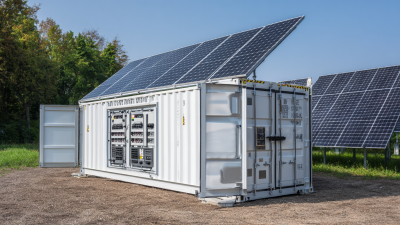
The Super Power Station is an indispensable tool for anyone seeking reliable energy solutions, whether you're camping in the great outdoors or preparing for unexpected power outages. With a maximum output of 1800W, it can effortlessly power high-wattage devices like refrigerators and power tools, making it a versatile companion for various situations. This capability ensures that you are never left without the essentials, allowing you to focus on what matters most.
One of the standout features of the Super Power Station is its eco-friendly solar charging option, offering up to 900W of renewable energy. This is especially beneficial for those on the move, providing a sustainable way to keep your devices charged without relying on traditional power sources. Compact and lightweight, it's designed for portability, so you can easily take it with you on camping trips or store it for emergencies at home.
In addition to powering larger appliances, this versatile station quickly recharges smartphones, tablets, cameras, and drones, making it ideal for outdoor enthusiasts and tech-savvy individuals alike. By providing reliable backup power during natural disasters or power outages, it serves as a safeguard against the unpredictability of modern life, ensuring you're always prepared, no matter the circumstances.
: Increased energy needs and sustainability initiatives are key factors. Renewable sources will dominate new capacity.
Renewable energy is expected to comprise 70% of new power generation capacity by 2026.
Grid-scale battery storage and advanced micro-grid systems are crucial for evolution and reliability.
Many traditional power stations may struggle. They need substantial investment for modernization.
Buyers must analyze economic and environmental impacts carefully. Hasty decisions can lead to inefficiencies.
Energy storage is vital for reliability. However, current battery technologies face lifespan and cost challenges.
There's a strong move toward solar, wind, and hydropower. Hybrid systems are gaining popularity for enhanced reliability.
They can create resilience and reduce dependence on centralized sources, but may face regulatory challenges.
Consumer awareness is crucial for understanding impacts. Education encourages more informed energy choices.
No, current battery technologies have limitations. Issues like lifespan and cost need to be addressed for efficiency.
The article "Top 10 Power Station Solutions for Global Buyers in 2026" presents a comprehensive overview of the evolving landscape of power station technologies and innovations expected to shape the market by 2026. It highlights key technological advancements driving efficiency and sustainability in power station solutions, alongside emerging trends in renewable energy sources that are becoming increasingly attractive for global buyers.
Additionally, the article outlines the importance of analyzing costs associated with leading power station solutions, while considering regulatory and environmental factors that influence purchasing decisions. As the industry faces future challenges, including the need for enhanced energy security and innovative financing models, opportunities for growth and development within the power station sector remain promising for global stakeholders.


business@roofer.cn
+86 13502883088